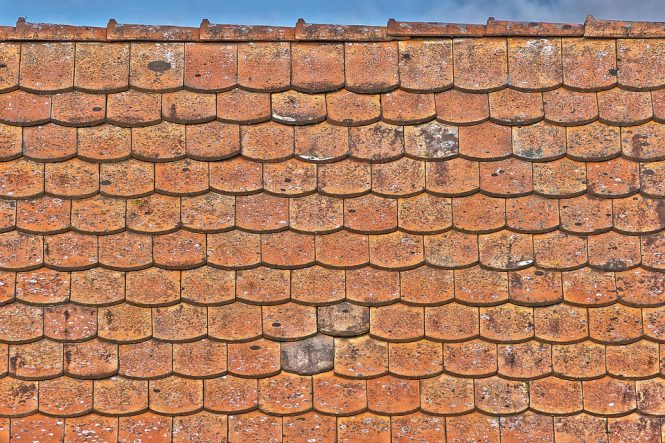
The Roof Replacement Process: What to Expect and How to Prepare
Replacing a roof can be a significant undertaking, requiring careful planning, execution, and attention to detail. Whether you’re dealing with a damaged, worn-out, or outdated roof, it’s essential to understand the roof replacement process to ensure a smooth and successful outcome. In this article, we’ll guide you through what to expect and how to prepare for a roof replacement project.
Pre-Replacement Preparation (Before the Project Begins)
Before the roof replacement process starts, there are several steps you can take to prepare:
- Schedule an inspection: Hire a professional roofing contractor to inspect your roof and determine the extent of the damage or wear. This will help you decide whether a replacement is necessary and what type of roof will be best for your home.
- Choose a roofing material: Select a suitable roofing material that fits your budget, climate, and aesthetic preferences. Common options include asphalt shingles, metal, clay or concrete tiles, and slate.
- Obtain necessary permits: Check with your local government to determine if any permits are required for the roof replacement project. Your contractor should be able to assist with this process.
- Clear the area: Remove any outdoor furniture, plants, or other items that could be damaged or obstruct the roofing process.
- Prepare your home’s interior: Cover furniture, floors, and walls with drop cloths or plastic sheets to protect them from dust and debris.
The Roof Replacement Process
The roof replacement process typically involves the following steps:
- Removal of the old roof: The contractor will carefully remove the existing roof, including shingles, underlayment, and flashing. This may involve tearing off the old roof or removing it in sections.
- Inspection of the roof deck: The contractor will inspect the roof deck for any damage or rot and make repairs as needed.
- Installation of underlayment: A new underlayment material, such as felt paper or synthetic underlayment, will be installed to provide a smooth surface for the new roof.
- Installation of new roofing material: The chosen roofing material will be installed, following the manufacturer’s instructions and local building codes.
- Installation of flashing and ventilation: Flashing will be installed around chimneys, vents, and skylights to prevent water intrusion. Ventilation systems, such as ridge vents or power ventilators, may also be installed to improve airflow and reduce heat buildup.
- Final inspection and cleanup: The contractor will inspect the new roof to ensure it’s properly installed and functioning as expected. The workspace will be cleaned up, and any debris will be removed.
What to Expect During the Project
During the roof replacement process, you can expect:
- Noise and disruption: The process can be loud and may cause disruptions to your daily routine.
- Dust and debris: There will be dust and debris generated during the removal and installation processes.
- Changes in temperature: Your home’s temperature may fluctuate during the project, especially if the roof is being replaced in sections.
- Contractor presence: The contractor and their team will be present on your property for several days or weeks, depending on the scope of the project.
Tips for a Successful Roof Replacement Project
To ensure a successful roof replacement project:
- Communicate with your contractor: Establish clear communication with your contractor to discuss your expectations, concerns, and any issues that arise during the project.
- Be patient: Roof replacement can be a time-consuming process, so be patient and flexible.
- Monitor the weather: Keep an eye on the weather forecast and inform your contractor if there are any changes that may impact the project schedule.
- Inspect the work: Regularly inspect the work in progress to ensure it meets your expectations and address any concerns promptly.
Conclusion
Replacing a roof can be a complex and daunting task, but with the right preparation and understanding of the process, you can ensure a successful outcome. By following the steps outlined in this article, you’ll be well-prepared for the roof replacement process and can enjoy a new, durable, and energy-efficient roof that will protect your home for years to come. Remember to communicate with your contractor, be patient, and monitor the weather to ensure a smooth and successful project.