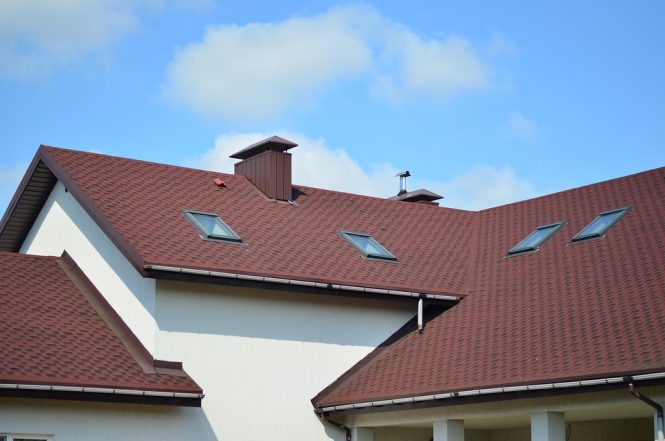
Shingle Shock: The High Cost of Neglecting Roof Repairs
As a homeowner, it’s easy to overlook the importance of regular roof maintenance. Out of sight, out of mind, right? However, neglecting roof repairs can lead to a condition known as “Shingle Shock,” a term used to describe the sudden and unexpected failure of a roof’s shingles, often resulting in costly repairs and even potential safety hazards.
In this article, we’ll explore the causes and consequences of Shingle Shock, as well as provide tips on how to prevent it and what to do if you’re already experiencing its effects.
What is Shingle Shock?
Shingle Shock occurs when a roof’s shingles are subjected to prolonged periods of neglect, allowing minor issues to escalate into major problems. This can happen when homeowners fail to address issues such as missing or damaged shingles, cracked or broken seals, and clogged gutters. Over time, these small problems can combine to create a perfect storm of roof failure, resulting in Shingle Shock.
Causes of Shingle Shock
Several factors can contribute to the development of Shingle Shock, including:
- Lack of maintenance: Failing to inspect and maintain your roof regularly can lead to undetected problems, which can eventually cause Shingle Shock.
- Weathering: Extreme weather conditions, such as heavy rain, hail, or intense sunlight, can weaken shingles and cause them to fail.
- Age: As roofs age, their shingles can become brittle and prone to cracking, increasing the risk of Shingle Shock.
- Poor installation: If your roof was not installed correctly, it can be more susceptible to Shingle Shock.
Consequences of Shingle Shock
The consequences of Shingle Shock can be severe and costly. Some potential outcomes include:
- Water damage: When shingles fail, water can seep into your home, causing damage to walls, ceilings, and floors.
- Structural damage: In extreme cases, Shingle Shock can lead to structural damage, including collapsed roofs or walls.
- Safety hazards: A failing roof can pose serious safety risks, including the potential for injury from falling debris or electrical hazards.
- Financial burden: Repairing or replacing a roof damaged by Shingle Shock can be expensive, with costs ranging from thousands to tens of thousands of dollars.
Preventing Shingle Shock
Fortunately, there are steps you can take to prevent Shingle Shock:
- Regular inspections: Schedule annual roof inspections to identify and address potential issues before they become major problems.
- Maintenance: Perform routine maintenance tasks, such as cleaning gutters and downspouts, to ensure your roof is functioning properly.
- Repair damaged shingles: Address damaged or missing shingles promptly to prevent further damage.
- Consider a roof coating: Applying a roof coating can help protect your shingles from the elements and extend their lifespan.
What to Do If You’re Experiencing Shingle Shock
If you’re already experiencing the effects of Shingle Shock, it’s essential to act quickly to minimize damage and prevent further problems. Here are some steps to take:
- Assess the damage: Hire a professional roofer to assess the extent of the damage and provide a repair plan.
- Prioritize repairs: Address the most critical issues first, such as leaks or structural damage.
- Consider a roof replacement: If the damage is extensive, it may be more cost-effective to replace the roof entirely.
- Document everything: Keep a record of all repairs, including before-and-after photos, to help with insurance claims and future maintenance.
Conclusion
Shingle Shock is a serious condition that can have significant consequences for homeowners. By understanding the causes and consequences of Shingle Shock, you can take steps to prevent it and protect your investment. Remember, regular maintenance and prompt repairs are key to preventing Shingle Shock and ensuring your roof remains safe and functional for years to come. Don’t wait until it’s too late – inspect your roof today and take the necessary steps to avoid the high cost of neglecting roof repairs.