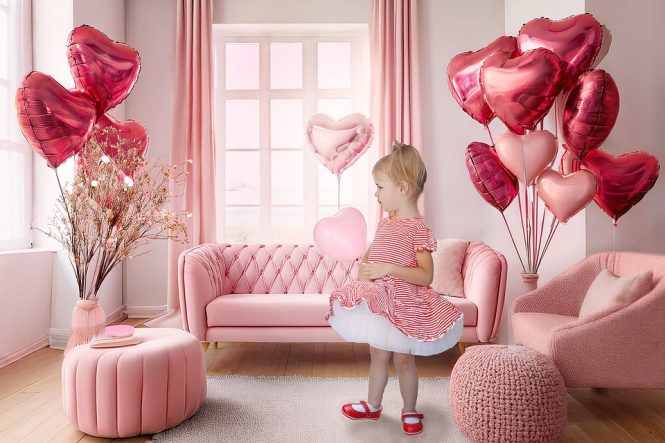
The Psychology of Living Room Decor: How to Create a Space that Boosts Mood and Productivity
The living room is often the heart of the home, where we spend a significant amount of time relaxing, socializing, and recharging. But did you know that the decor of your living room can have a profound impact on your mood, productivity, and overall well-being? The psychology of living room decor is a fascinating field that explores how the design and layout of a space can influence our emotions, behavior, and cognitive function.
The Power of Color
One of the most powerful tools in living room decor is color. Different colors can evoke different emotions and moods, making them a crucial consideration when designing a space. For example:
- Warm colors such as orange, red, and yellow can stimulate energy and creativity, making them perfect for a productive workspace or a lively living room.
- Cool colors like blue, green, and purple can promote relaxation and calmness, making them ideal for a reading nook or a cozy lounge area.
- Neutral colors such as beige, gray, and white can create a sense of balance and serenity, making them suitable for a minimalist living room or a meditation space.
The Importance of Lighting
Lighting is another critical aspect of living room decor that can significantly impact our mood and productivity. Natural light is always the best option, but when not possible, artificial lighting can be used to create a similar effect. Consider the following:
- Soft, warm lighting can create a cozy and inviting atmosphere, perfect for relaxation and socializing.
- Bright, cool lighting can boost energy and focus, making it suitable for a home office or a study area.
- Layered lighting can create a sense of depth and visual interest, making a space feel more dynamic and engaging.
The Role of Furniture and Layout
The arrangement of furniture and the overall layout of a living room can also have a significant impact on our mood and productivity. Consider the following:
- Comfortable seating can promote relaxation and reduce stress, making it essential for a cozy living room or a reading nook.
- Ergonomic furniture can improve posture and reduce eye strain, making it ideal for a home office or a study area.
- Open, airy layouts can create a sense of freedom and expansiveness, making a space feel more spacious and inviting.
The Psychology of Texture and Pattern
Texture and pattern can add depth, visual interest, and emotional resonance to a living room. Consider the following:
- Soft, tactile textures such as velvet, linen, and wool can create a sense of comfort and relaxation.
- Bold, geometric patterns can stimulate energy and creativity, making them perfect for a productive workspace or a lively living room.
- Nature-inspired patterns such as botanical prints or wood grain can promote a sense of calmness and connection to the natural world.
Tips for Creating a Mood-Boosting Living Room
Based on the principles outlined above, here are some tips for creating a living room that boosts mood and productivity:
- Choose a color scheme that reflects your personality and lifestyle. Consider the emotions and moods you want to evoke in your living room and select colors that align with those goals.
- Use lighting to create a sense of atmosphere. Consider the time of day, the activity, and the mood you want to create when selecting lighting options.
- Select furniture that is both comfortable and functional. Consider the ergonomics, comfort, and aesthetic appeal of each piece when designing your living room.
- Add texture and pattern to create depth and visual interest. Mix and match different textures and patterns to create a unique and engaging space.
- Incorporate natural elements. Add plants, botanical prints, or natural materials such as wood or stone to promote a sense of calmness and connection to the natural world.
Conclusion
The psychology of living room decor is a complex and fascinating field that offers a wealth of insights into how we can design spaces that promote mood, productivity, and overall well-being. By considering the power of color, lighting, furniture, texture, and pattern, we can create living rooms that are not only beautiful but also functional and emotionally resonant. Whether you’re looking to boost your energy and productivity or simply create a cozy retreat, the principles outlined above can help you create a living room that supports your physical, emotional, and mental health.