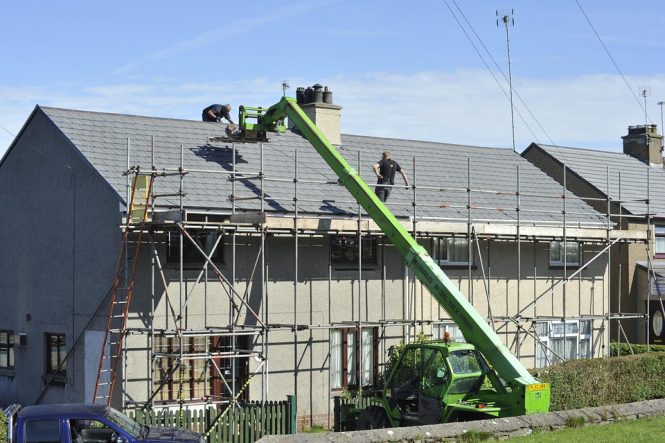
Roof Rescue: How to Identify and Fix Common Roofing Problems
As a homeowner, there’s nothing more frustrating than dealing with a leaky or damaged roof. Not only can it cause significant water damage and structural issues, but it can also lead to costly repairs and even compromise the safety of your family. However, with a little knowledge and maintenance, you can identify and fix common roofing problems before they become major issues. In this article, we’ll explore the most common roofing problems, how to identify them, and provide step-by-step guides on how to fix them.
Common Roofing Problems
- Leaky Roofs: One of the most common roofing problems, leaky roofs can be caused by damaged or missing shingles, cracked flashing, or clogged gutters.
- Missing or Damaged Shingles: Missing or damaged shingles can expose your roof to the elements, leading to water damage and structural issues.
- Cracked or Broken Tiles: Cracked or broken tiles can compromise the integrity of your roof and allow water to seep in.
- Clogged Gutters and Downspouts: Clogged gutters and downspouts can cause water to back up and damage your roof, walls, and foundation.
- Ice Dams: Ice dams can form when snow melts and refreezes, causing water to back up and damage your roof.
How to Identify Roofing Problems
Before you can fix a roofing problem, you need to identify it. Here are some tips to help you inspect your roof:
- Look for Signs of Water Damage: Check your ceiling and walls for signs of water damage, such as stains, warping, or mineral deposits.
- Inspect Your Roof from the Ground: Look for missing or damaged shingles, cracked tiles, or sagging gutters.
- Check Your Gutters and Downspouts: Make sure your gutters and downspouts are clear and functioning properly.
- Inspect Your Roof’s Flashing: Check your roof’s flashing, including the areas around chimneys, vents, and skylights.
How to Fix Common Roofing Problems
Now that you’ve identified the problem, it’s time to fix it. Here are some step-by-step guides to help you fix common roofing problems:
Leaky Roofs
- Locate the Leak: Use a hose to simulate rainfall and locate the source of the leak.
- Inspect the Shingles: Check the shingles around the leak for signs of damage or wear.
- Replace Damaged Shingles: Replace any damaged or missing shingles with new ones.
- Apply Roofing Cement: Apply roofing cement to seal any gaps or cracks.
Missing or Damaged Shingles
- Remove the Damaged Shingle: Carefully remove the damaged shingle to avoid damaging surrounding shingles.
- Inspect the Underlayment: Check the underlayment for signs of damage or wear.
- Replace the Shingle: Replace the damaged shingle with a new one, making sure to secure it with roofing nails.
- Apply Roofing Cement: Apply roofing cement to seal any gaps or cracks.
Clogged Gutters and Downspouts
- Clear Debris: Remove any debris, such as leaves or twigs, from the gutters and downspouts.
- Flush the Gutters: Use a hose to flush the gutters and downspouts, making sure they’re clear and functioning properly.
- Install Gutter Guards: Consider installing gutter guards to prevent future clogs.
Ice Dams
- Remove Snow: Remove any snow from the roof, using a snow rake or shovel.
- Install Heat Cables: Install heat cables or de-icing systems to melt ice and snow.
- Improve Ventilation: Improve ventilation in your attic to reduce the risk of ice dams forming.
Conclusion
Roofing problems can be frustrating and costly, but with a little knowledge and maintenance, you can identify and fix common issues before they become major problems. Remember to inspect your roof regularly, look for signs of water damage, and fix any problems promptly. By following these tips and guidelines, you can ensure your roof remains in good condition and provides years of protection and comfort for you and your family.
Additional Tips
- Always use proper safety equipment, such as a ladder and harness, when inspecting or repairing your roof.
- Consider hiring a professional roofer if you’re not comfortable with heights or unsure about how to fix a problem.
- Regularly inspect your roof, especially after severe weather events or changes in temperature.
- Keep your gutters and downspouts clean and clear to prevent clogs and water damage.