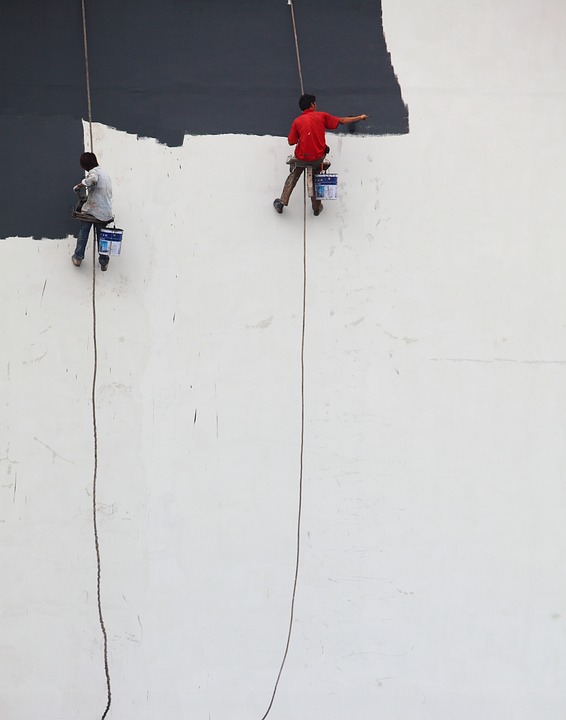
The Psychology of Wall Paint: How Color Can Influence Your Behavior
When it comes to designing and decorating our living and working spaces, we often focus on the furniture, lighting, and overall aesthetic. However, one of the most overlooked yet influential elements is the color of our walls. The psychology of wall paint is a fascinating topic that reveals how the colors we surround ourselves with can significantly impact our behavior, mood, and overall well-being.
The Power of Color
Colors have a profound effect on our emotions and behavior, and this is rooted in the way our brains process visual information. Different colors can evoke different emotional responses, from calmness and serenity to energy and stimulation. This is because colors are associated with different wavelengths and frequencies, which affect our brain’s neurotransmitters and hormones.
For example, the color blue is often linked with feelings of trust, loyalty, and relaxation. This is why blue is commonly used in bedrooms and therapy rooms, as it can promote a sense of calmness and reduce stress levels. On the other hand, the color red is associated with increased energy, alertness, and excitement. This is why red is often used in gymnasiums, sports stadiums, and entertainment venues, as it can stimulate our physical and emotional responses.
The Impact of Color on Behavior
The color of our walls can influence our behavior in various ways, from our mood and energy levels to our productivity and social interactions. Here are some examples:
- Yellow walls: Yellow is a color often associated with happiness, optimism, and creativity. Studies have shown that people who work in yellow-painted offices tend to be more alert, focused, and productive. Yellow walls can also stimulate our memory and cognitive function, making it an excellent choice for study rooms and home offices.
- Green walls: Green is a calming and balancing color that can reduce stress and eye fatigue. It is also associated with feelings of growth, harmony, and nature. Green walls can promote a sense of well-being and relaxation, making it an ideal choice for bedrooms, meditation rooms, and spa areas.
- Orange walls: Orange is a vibrant and energetic color that can stimulate our creativity, enthusiasm, and playfulness. It is often used in children’s playrooms, art studios, and entertainment areas, as it can foster a sense of fun and excitement.
The Psychology of Color Combinations
While individual colors can have a significant impact on our behavior, color combinations can also play a crucial role in shaping our emotions and experiences. Here are some examples:
- Monochromatic color schemes: Using different shades of the same color can create a sense of continuity and cohesion. This can be particularly effective in minimalist designs, where a single color is used to create a clean and simple aesthetic.
- Complementary color schemes: Pairing colors that are opposite each other on the color wheel can create a sense of contrast and visual interest. This can be particularly effective in stimulating our creativity, attention, and engagement.
- Analogous color schemes: Using colors that are next to each other on the color wheel can create a sense of harmony and balance. This can be particularly effective in promoting relaxation, calmness, and well-being.
The Cultural and Personal Significance of Color
While color psychology can provide valuable insights into the emotional and behavioral effects of different colors, it is essential to consider the cultural and personal significance of color. Colors can have different meanings and associations in different cultures, and individual experiences and preferences can also play a significant role in shaping our responses to color.
For example, while white is often associated with purity and innocence in Western cultures, it is associated with mourning and death in many Asian cultures. Similarly, while red is often seen as a symbol of passion and energy in Western cultures, it is seen as a symbol of good luck and prosperity in many African cultures.
Conclusion
The psychology of wall paint is a complex and multifaceted topic that reveals the profound impact of color on our behavior, mood, and overall well-being. By choosing the right colors for our walls, we can create spaces that promote relaxation, stimulation, and productivity, and that reflect our individual personalities and cultural backgrounds. Whether we are designing a home, office, or public space, the color of our walls is an essential element that can shape our experiences and emotions in profound ways.
As we consider the psychology of wall paint, it is essential to remember that color is a highly subjective and personal aspect of design. What works for one person or culture may not work for another, and it is crucial to consider the unique needs, preferences, and experiences of individuals and communities when selecting colors for our walls. By doing so, we can create spaces that are not only aesthetically pleasing but also emotionally and behaviorally supportive.