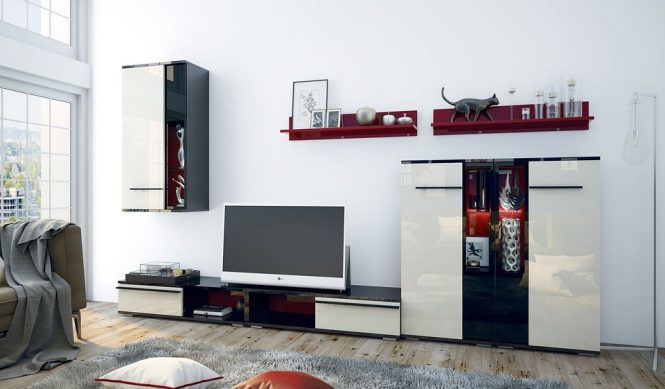
The Art of Layering: Combining Paint Colors to Create a Cohesive Living Room Look
When it comes to designing a living room, one of the most critical aspects to consider is the color scheme. The right combination of paint colors can elevate the ambiance, create a sense of harmony, and make the space feel welcoming and inviting. However, with the vast array of colors available, selecting the perfect palette can be daunting. This is where the art of layering comes in – a technique that involves combining multiple paint colors to create a cohesive and visually appealing living room look.
Understanding the 60-30-10 Rule
Before diving into the world of layering, it’s essential to understand the 60-30-10 rule. This principle suggests that a room’s color scheme should be divided into three parts:
- 60% of the room should feature a dominant color (walls, furniture, and flooring)
- 30% should feature a secondary color (accents, rugs, and decorative items)
- 10% should feature an accent color (throw pillows, vases, and other accessories)
By following this rule, you can create a balanced and harmonious color scheme that sets the foundation for layering.
Layering Paint Colors: Tips and Tricks
Layering paint colors is an art that requires a deep understanding of color theory, texture, and contrast. Here are some tips and tricks to help you get started:
- Start with a neutral base: Choose a neutral color for your walls, such as beige, gray, or taupe. This will provide a clean canvas for layering other colors.
- Add a secondary color: Introduce a secondary color through furniture, rugs, or decorative items. This color should complement the neutral base and add depth to the room.
- Introduce an accent color: Use an accent color to add a pop of color and create visual interest. This color should be bold and contrasting, making it perfect for throw pillows, vases, or other accessories.
- Consider the 80/20 principle: When layering colors, remember that 80% of the room should feature calm, soothing colors, while 20% can feature bold, statement-making colors.
- Play with texture: Mix different textures, such as matte, glossy, and metallic, to add depth and visual interest to the room.
- Don’t forget about contrast: Contrast is key to creating a cohesive look. Balance warm colors with cool colors, and light colors with dark colors.
Popular Layering Combinations
Here are some popular layering combinations to get you started:
- Monochromatic: Layer different shades of the same color to create a cohesive and soothing atmosphere.
- Complementary: Pair colors that are opposite each other on the color wheel, such as blue and orange, to create a bold and contrasting look.
- Analogous: Layer colors that are next to each other on the color wheel, such as blue, green, and yellow, to create a harmonious and natural look.
- Neutral and bold: Pair a neutral color with a bold, statement-making color to create a striking and modern look.
Real-Life Examples
To illustrate the art of layering, let’s consider a few real-life examples:
- Coastal chic: Layer soft blues and whites with coral and sandy neutrals to create a coastal-inspired living room.
- Industrial chic: Combine exposed brick and concrete with industrial-style furniture and bold, bright accents to create a modern and edgy look.
- Bohemian eclectic: Layer rich, jewel-toned colors with natural textures and vintage decorative items to create a bohemian-inspired living room.
Conclusion
The art of layering is a powerful tool for creating a cohesive and visually appealing living room look. By understanding the 60-30-10 rule, following tips and tricks, and experimenting with different layering combinations, you can create a space that reflects your personality and style. Remember to have fun and be bold – the art of layering is all about experimentation and creativity!