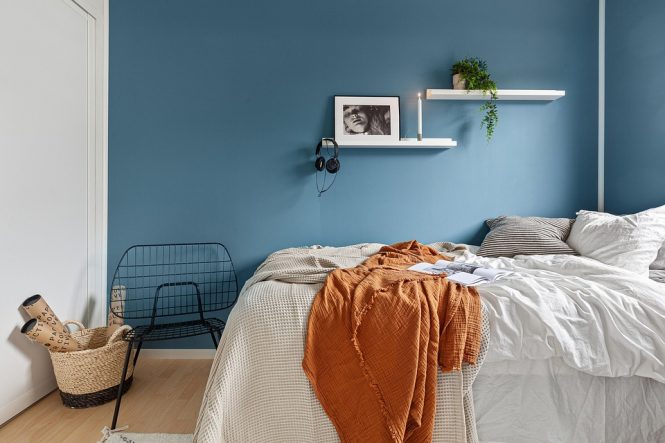
The Art of Bedroom Decor: How to Choose the Perfect Color Scheme for a Restful Night’s Sleep
When it comes to creating a serene and inviting bedroom, the color scheme plays a crucial role in setting the tone for a restful night’s sleep. The right colors can promote relaxation, calmness, and even improve the quality of sleep. In this article, we will explore the art of bedroom decor and provide guidance on how to choose the perfect color scheme for a peaceful retreat.
Understanding the Psychology of Color
Before selecting a color scheme, it’s essential to understand the psychological effects of different colors on our mood and emotions. Colors can be broadly categorized into three groups: warm, cool, and neutral.
- Warm colors, such as red, orange, and yellow, can stimulate energy and activity, making them less suitable for a bedroom.
- Cool colors, like blue, green, and purple, have a calming effect and can promote relaxation.
- Neutral colors, including beige, gray, and white, can provide a sense of balance and serenity.
Choosing the Perfect Color Scheme
When selecting a color scheme for your bedroom, consider the following factors:
- Personal Preference: Think about the colors you love and how they make you feel. If you’re drawn to bold and vibrant colors, you may want to incorporate them into your bedroom design through accent walls or accessories.
- Natural Light: Consider the amount of natural light your bedroom receives. If your room is sunny, you may want to opt for lighter colors to reflect the light and create a sense of airiness.
- Room Size: In smaller bedrooms, lighter colors can make the space feel larger, while darker colors can create a cozier atmosphere in larger rooms.
- Style and Theme: Think about the style and theme you want to achieve in your bedroom. For example, a modern and minimalist design may feature a monochromatic color scheme, while a traditional or rustic design may incorporate warmer, earthier tones.
Popular Color Schemes for Bedrooms
Here are some popular color schemes that can promote a restful night’s sleep:
- Soft Blues and Whites: A calming combination that creates a sense of serenity and tranquility.
- Muted Greens and Neutrals: A soothing palette that brings the outdoors in and promotes relaxation.
- Warm Grays and Taupes: A balanced color scheme that creates a cozy and inviting atmosphere.
- Purple and Silver: A luxurious combination that promotes relaxation and can help improve sleep quality.
Tips for Incorporating Color into Your Bedroom Design
- Start with a Neutral Base: Use a neutral color, such as white or gray, as the primary color for your bedroom, and add pops of color through accessories and accent walls.
- Add Warmth with Texture: Incorporate textured elements, such as throw blankets, rugs, and pillows, to add warmth and depth to your bedroom design.
- Consider the 60-30-10 Rule: Divide your bedroom into 60% of a dominant color, 30% of a secondary color, and 10% of an accent color to create a balanced and harmonious color scheme.
- Don’t Forget about Accent Colors: Use accent colors to add personality and interest to your bedroom design, but avoid overusing them, as they can create visual overwhelm.
Conclusion
Choosing the perfect color scheme for your bedroom is a personal and subjective process. By understanding the psychology of color, considering your personal preferences, and incorporating color into your bedroom design, you can create a restful and inviting space that promotes a good night’s sleep. Remember to start with a neutral base, add warmth with texture, and balance your color scheme to create a serene and peaceful retreat. With these tips and guidelines, you’ll be well on your way to creating a bedroom that is both beautiful and functional.