Sustainable Roofing Solutions: How to Make Your Home More Eco-Friendly
As the world becomes increasingly aware of the importance of environmental sustainability, homeowners are seeking ways to make their properties more eco-friendly. One often-overlooked aspect of home sustainability is the roof. A well-designed and constructed roof can not only reduce energy consumption and lower utility bills but also minimize environmental impact. In this article, we will explore sustainable roofing solutions that can help make your home more eco-friendly.
The Importance of Sustainable Roofing
Traditional roofing materials, such as asphalt shingles, can have a significant environmental impact. They are often made from non-renewable resources, contribute to waste and pollution, and can last for only 20-30 years before needing to be replaced. In contrast, sustainable roofing solutions are designed to minimize waste, reduce energy consumption, and promote environmental stewardship.
Sustainable Roofing Materials
There are several sustainable roofing materials available, each with its own unique benefits and advantages. Some popular options include:
- Metal Roofing: Metal roofing is made from recycled materials, such as aluminum and steel, and can be recycled at the end of its life cycle. It is also durable, lasting up to 50 years or more, and can be coated with a reflective finish to reduce energy consumption.
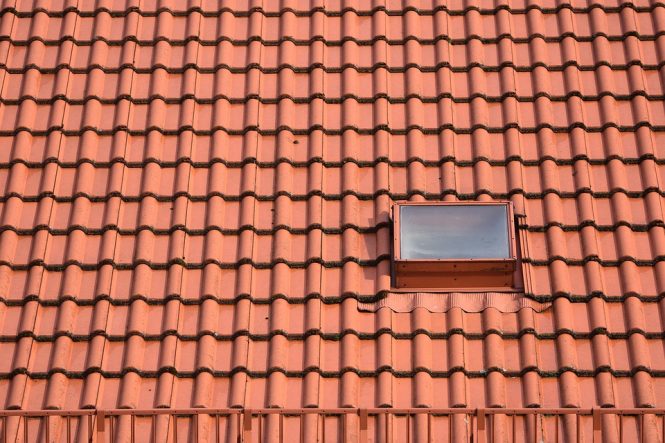
- Clay and Concrete Tiles: Clay and concrete tiles are made from natural, abundant materials and can last for 50-100 years or more. They are also durable and require minimal maintenance.
- Solar Roofing: Solar roofing integrates photovoltaic cells into the roofing material, generating electricity and reducing energy consumption.
- Green Roofs: Green roofs, also known as living roofs, are covered with vegetation, which provides insulation, reduces stormwater runoff, and creates habitats for wildlife.
- Recycled Roofing Materials: Recycled roofing materials, such as recycled plastic and rubber, can be used to create durable, long-lasting roofs.
Sustainable Roofing Techniques
In addition to choosing sustainable roofing materials, there are several techniques that can be used to make your roof more eco-friendly. These include:
- Cool Roofing: Cool roofing involves applying a reflective coating to the roof to reduce energy consumption and minimize the urban heat island effect.
- Insulation: Proper insulation can help reduce energy consumption and minimize heat loss in the winter and heat gain in the summer.
- Rainwater Harvesting: Rainwater harvesting involves collecting and storing rainwater for non-potable uses, such as flushing toilets and irrigating plants.
- Roof Ventilation: Proper roof ventilation can help reduce energy consumption by allowing hot air to escape and cool air to enter.
Benefits of Sustainable Roofing
Sustainable roofing solutions offer numerous benefits, including:
- Reduced Energy Consumption: Sustainable roofing materials and techniques can help reduce energy consumption, lower utility bills, and minimize environmental impact.
- Increased Durability: Sustainable roofing materials are often more durable and long-lasting than traditional materials, reducing the need for frequent replacements and repairs.
- Improved Air Quality: Sustainable roofing materials and techniques can help improve indoor air quality by reducing the amount of pollutants and toxins released into the air.
- Enhanced Aesthetic Appeal: Sustainable roofing solutions can add aesthetic appeal to your home, increasing its value and curb appeal.
Conclusion
Sustainable roofing solutions offer a range of benefits, from reducing energy consumption and environmental impact to increasing durability and aesthetic appeal. By choosing sustainable roofing materials and techniques, homeowners can make their properties more eco-friendly and contribute to a more sustainable future. Whether you’re building a new home or retrofitting an existing one, consider incorporating sustainable roofing solutions into your design. Not only will you be doing your part for the environment, but you’ll also be enjoying a more efficient, cost-effective, and beautiful home.