Roofing 101: A Beginner’s Guide to Understanding Your Home’s Roofing System
As a homeowner, it’s essential to have a basic understanding of your home’s roofing system. Your roof is one of the most critical components of your home, protecting you and your family from the elements and providing a safe and secure living space. In this article, we’ll provide a comprehensive guide to roofing for beginners, covering the basics of roofing systems, types of roofs, and essential maintenance tips.
Understanding the Components of a Roofing System
A roofing system consists of several key components that work together to provide a watertight seal and protect your home from the elements. These components include:
- Roofing material: This is the outermost layer of your roof, which can be made from a variety of materials such as asphalt shingles, clay tiles, metal, or wood shakes.
- Underlayment: This is a waterproof layer that’s installed underneath the roofing material to prevent water from penetrating the roof deck.
- Roof deck: This is the structural component of your roof, typically made from plywood or oriented strand board (OSB), that provides a nailing surface for the roofing material.
- Rafters: These are the sloping beams that support the roof deck and provide additional structural support.
- Trusses: These are pre-fabricated roof frames that consist of rafters, a ridge beam, and ceiling joists.
- Flashing: This is a critical component that’s used to seal joints and valleys in the roof, preventing water from entering the home.
- Ventilation: Proper ventilation is essential to remove heat and moisture from the attic space, which can help extend the life of your roof.
Types of Roofs
There are several types of roofs to choose from, each with its own unique characteristics, advantages, and disadvantages. Some of the most common types of roofs include:
- Asphalt shingle roofs: These are the most common type of roof, known for their affordability and ease of installation.
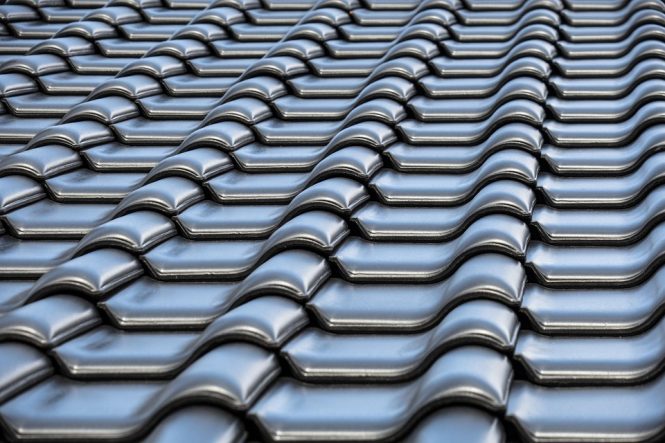
- Clay tile roofs: These roofs are durable and long-lasting, but can be heavy and expensive.
- Metal roofs: These roofs are energy-efficient and eco-friendly, but can be noisy and prone to denting.
- Wood shake roofs: These roofs are aesthetically pleasing, but can be expensive and require regular maintenance.
- Flat roofs: These roofs are commonly used on commercial buildings, but can be used on residential homes with a flat or low-slope roof.
Essential Maintenance Tips
Regular maintenance is critical to extending the life of your roof and preventing costly repairs. Here are some essential maintenance tips to keep in mind:
- Inspect your roof regularly: Look for signs of damage, wear, and tear, such as missing or loose shingles, cracked or broken tiles, and damaged flashing.
- Clean your gutters and downspouts: Clogged gutters and downspouts can cause water to back up into the roof, leading to damage and leaks.
- Trim tree branches: Overhanging tree branches can cause damage to your roof, so trim them back to prevent branches from rubbing against the roof.
- Check for animal infestations: Animals such as raccoons, squirrels, and birds can cause damage to your roof, so check for signs of infestation and take steps to prevent them.
- Consider a roof inspection: If you’re unsure about the condition of your roof or suspect damage, consider hiring a professional roofer to inspect your roof and provide recommendations for repairs or replacement.
Conclusion
Your home’s roofing system is a critical component that provides protection and security for you and your family. By understanding the basics of roofing systems, types of roofs, and essential maintenance tips, you can help extend the life of your roof and prevent costly repairs. Remember to inspect your roof regularly, clean your gutters and downspouts, trim tree branches, check for animal infestations, and consider a roof inspection to ensure your roof is in good condition. With proper maintenance and care, your roof can provide years of reliable service and protect your home from the elements.