Roofing 101: A Beginner’s Guide to Repairing and Maintaining Your Home’s Roof
As a homeowner, your roof is one of the most critical components of your property, providing protection from the elements and helping to maintain a comfortable living space. However, with time, your roof can suffer from wear and tear, damage from harsh weather conditions, and other issues that can compromise its integrity. In this article, we will delve into the world of roofing, providing a beginner’s guide to repairing and maintaining your home’s roof.
Understanding Your Roof
Before we dive into the nitty-gritty of roofing repair and maintenance, it’s essential to understand the different types of roofs and their components. The most common types of roofs include:
- Asphalt Shingle Roofs: The most popular type of roof, known for their affordability and ease of installation.
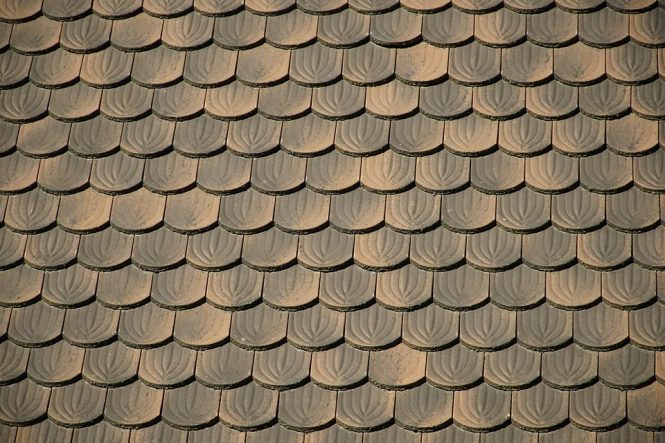
- Clay Tile Roofs: Durable and long-lasting, clay tile roofs are popular in warmer climates.
- Metal Roofs: Energy-efficient and resistant to extreme weather conditions, metal roofs are becoming increasingly popular.
- Slate Roofs: A premium option, slate roofs are known for their durability and aesthetic appeal.
Regardless of the type of roof you have, it’s crucial to familiarize yourself with its components, including:
- Shingles: The individual tiles that cover your roof.
- Underlayment: A layer of material that provides an extra layer of protection between the shingles and the roof deck.
- Flashing: Metal or plastic components that seal gaps and joints around chimneys, vents, and skylights.
- Gutters: Channels that collect and redirect rainwater away from your home.
Common Roofing Issues
As a homeowner, it’s essential to be aware of common roofing issues that can arise, including:
- Leaks: Water damage that can occur due to damaged or missing shingles, cracked flashing, or clogged gutters.
- Missing or Damaged Shingles: Weathering, wind, or animal activity can cause shingles to become loose or go missing.
- Granule Loss: Asphalt shingles can lose their granules over time, reducing their effectiveness.
- Clogged Gutters: Debris and leaves can clog gutters, causing water to back up and potentially damage your roof.
Repairing Your Roof
If you’ve identified an issue with your roof, it’s essential to address it promptly to prevent further damage. Here are some steps to follow:
- Assess the Damage: Inspect your roof to determine the extent of the damage.
- Gather Materials: Depending on the issue, you may need to purchase replacement shingles, underlayment, or flashing.
- Remove Damaged Components: Carefully remove damaged or missing shingles, underlayment, or flashing.
- Install New Components: Follow manufacturer instructions to install new shingles, underlayment, or flashing.
- Seal Gaps and Joints: Apply roofing cement or sealant to gaps and joints around chimneys, vents, and skylights.
Maintaining Your Roof
Prevention is key when it comes to maintaining your roof. Here are some tips to help you keep your roof in top condition:
- Regular Inspections: Conduct regular inspections to identify potential issues before they become major problems.
- Clean Gutters: Regularly clean your gutters to prevent clogs and ensure proper water flow.
- Trim Tree Branches: Keep tree branches trimmed to prevent damage from branches rubbing against your roof.
- Check for Animal Activity: Regularly inspect your roof for signs of animal activity, such as nests or damaged shingles.
Safety Precautions
When working on your roof, it’s essential to take necessary safety precautions to avoid injuries or accidents. Here are some tips to follow:
- Wear Protective Gear: Wear a harness, gloves, and safety glasses to protect yourself from falls and debris.
- Use Ladders Safely: Ensure ladders are securely positioned and always maintain three points of contact.
- Work with a Partner: Have someone assist you when working on your roof, especially when using power tools or climbing ladders.
Conclusion
Roofing repair and maintenance can seem daunting, but with the right knowledge and tools, you can keep your home’s roof in top condition. Remember to regularly inspect your roof, address issues promptly, and take necessary safety precautions to avoid injuries or accidents. By following the tips outlined in this article, you’ll be well on your way to becoming a roofing expert and ensuring your home remains safe, secure, and protected from the elements.