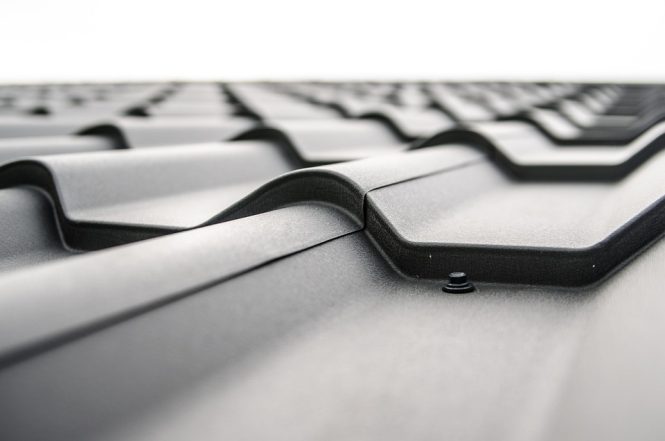
Raise the Roof: A Comprehensive Guide to Repairing and Replacing Your Home’s Roofing System
As a homeowner, your roof is one of the most critical components of your property, providing protection from the elements and ensuring the integrity of your home’s structure. However, over time, your roof can deteriorate, leading to leaks, damage, and potentially catastrophic consequences. In this article, we will explore the importance of maintaining and repairing your roof, as well as the process of replacing your home’s roofing system.
Why Roof Maintenance is Crucial
Your roof is constantly exposed to harsh weather conditions, including extreme temperatures, heavy rainfall, and intense sunlight. These factors can cause your roof’s materials to degrade, leading to cracks, holes, and other forms of damage. If left unchecked, these issues can lead to more severe problems, such as water damage, mold growth, and structural instability.
Regular roof maintenance can help identify and address these issues before they become major problems. This includes inspecting your roof for damage, cleaning debris and leaves from gutters and downspouts, and ensuring that all flashings and seals are secure.
Common Roofing Problems and Repairs
Some common roofing problems that may require repair include:
- Leaky roofs: Caused by damaged or missing shingles, cracked flashings, or clogged gutters and downspouts.
- Missing or damaged shingles: Resulting from high winds, hail, or other forms of weather-related damage.
- Curling or buckling shingles: Indicative of excessive heat, moisture, or aging.
- Leaks around chimneys and vents: Often caused by damaged or deteriorated flashing.
To repair these issues, you may need to:
- Replace damaged shingles: Remove and replace individual shingles or sections of your roof.
- Seal leaks: Apply roofing cement or caulk to seal gaps and cracks.
- Repair flashing: Replace or reseal flashing around chimneys, vents, and skylights.
- Clean and clear gutters and downspouts: Ensure proper water flow and prevent clogs.
When to Replace Your Roof
While repairs can extend the life of your roof, there comes a time when replacement is necessary. Consider the following factors when deciding whether to replace your roof:
- Age: Most roofs have a lifespan of 20-30 years, depending on the materials and quality of installation.
- Condition: If your roof is showing significant signs of wear and tear, such as widespread damage, missing shingles, or sagging, it may be time to replace it.
- Energy efficiency: An old roof can be a significant source of heat loss and energy waste. A new roof can help reduce your energy bills and improve your home’s overall efficiency.
The Roof Replacement Process
Replacing your roof involves several steps, including:
- Removing the old roof: Carefully removing the existing roofing materials, including shingles, underlayment, and flashing.
- Inspecting and repairing the roof deck: Ensuring the structural integrity of your roof deck and making any necessary repairs.
- Installing new underlayment: Applying a layer of protection between the roof deck and new roofing materials.
- Installing new flashing: Securing flashing around chimneys, vents, and skylights.
- Installing new shingles: Applying the new roofing materials, including shingles, tiles, or other approved products.
Choosing the Right Roofing Materials
With so many roofing materials available, selecting the right one for your home can be overwhelming. Consider the following factors when making your decision:
- Durability: Choose materials that can withstand your local climate and weather conditions.
- Energy efficiency: Opt for materials with high thermal mass and reflective properties to reduce energy consumption.
- Aesthetics: Select materials that complement your home’s architectural style and color scheme.
- Budget: Balance your budget with the quality and lifespan of the materials.
Some popular roofing materials include:
- Asphalt shingles: Affordable, easy to install, and widely available.
- Metal roofing: Durable, energy-efficient, and resistant to extreme weather conditions.
- Clay or concrete tiles: Attractive, long-lasting, and suitable for warm climates.
- Slate roofing: Premium, durable, and resistant to weathering and erosion.
Conclusion
Maintaining and repairing your roof is essential to ensuring the integrity and value of your home. By understanding common roofing problems and repairs, as well as the process of replacing your roof, you can make informed decisions about your home’s roofing system. Remember to choose the right materials for your climate, budget, and aesthetic preferences, and don’t hesitate to consult with a professional if you’re unsure about any aspect of the process. With proper care and attention, your roof will continue to protect and serve your home for years to come.