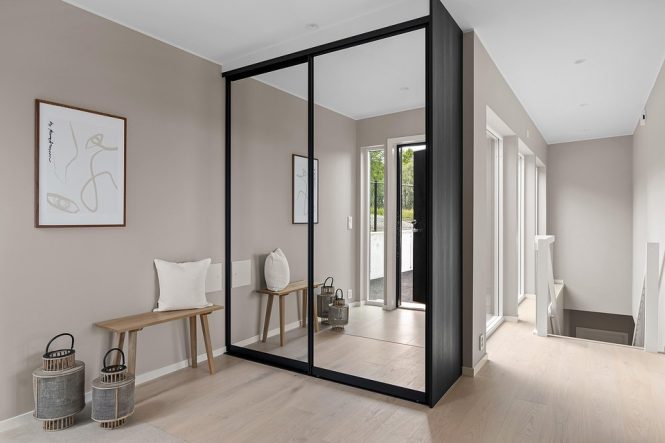
From Concept to Completion: A Step-by-Step Guide to Cabinet Design and Installation
Designing and installing cabinets can be a complex and daunting task, especially for those who are new to the world of carpentry and interior design. However, with a clear understanding of the process and a step-by-step guide, you can successfully bring your cabinet design concept to life. In this article, we will walk you through the entire process, from conceptualization to completion, and provide you with the necessary tools and knowledge to create your dream cabinets.
Step 1: Conceptualization and Planning (Pre-Design Phase)
The first step in designing and installing cabinets is to conceptualize and plan your project. This involves determining the purpose of the cabinets, the space where they will be installed, and the style and design you envision. Consider the following factors during this phase:
- Measure the space where the cabinets will be installed, taking note of any obstacles, such as plumbing or electrical outlets.
- Determine the type of cabinets you need, such as kitchen cabinets, bathroom cabinets, or storage cabinets.
- Decide on the materials and finishes you want to use, such as wood, laminate, or glass.
- Research different design styles and trends to get inspiration for your project.
- Create a rough sketch or drawing of your design concept, including the layout, dimensions, and features you want to include.
Step 2: Design and Specification (Design Phase)
Once you have a clear concept and plan, it’s time to create a detailed design and specification for your cabinets. This involves:
- Creating a scaled drawing or computer-aided design (CAD) model of your cabinet design.
- Specifying the materials, hardware, and finishes you want to use.
- Determining the cabinet layout, including the number of doors, drawers, and shelves.
- Deciding on the type of hinges, handles, and other hardware you want to use.
- Creating a list of specifications, including the cabinet dimensions, materials, and features.
Step 3: Material Selection and Procurement (Pre-Construction Phase)
With your design and specification in hand, it’s time to select and procure the materials needed for your cabinet project. This includes:
- Choosing the type and quality of materials, such as wood, plywood, or medium-density fiberboard (MDF).
- Selecting the hardware, including hinges, handles, and other components.
- Procuring the necessary tools and equipment, such as saws, drills, and sanders.
- Ordering the materials and hardware, ensuring that they meet your specifications and quality standards.
Step 4: Construction and Assembly (Construction Phase)
The construction and assembly phase is where your cabinet design begins to take shape. This involves:
- Cutting and preparing the materials, such as cutting the wood to size and assembling the cabinet boxes.
- Assembling the cabinet components, including the doors, drawers, and shelves.
- Installing the hardware, such as hinges and handles.
- Sanding and finishing the cabinets, including applying paint, stain, or lacquer.
Step 5: Installation (Installation Phase)
The final step in the cabinet design and installation process is the installation phase. This involves:
- Preparing the installation site, including clearing the area and protecting the surrounding surfaces.
- Installing the cabinets, ensuring that they are level, plumb, and securely fastened to the wall.
- Connecting the cabinets to the surrounding surfaces, such as the countertop and flooring.
- Making any necessary adjustments or repairs to ensure a smooth and proper installation.
Tips and Considerations
Throughout the cabinet design and installation process, there are several tips and considerations to keep in mind:
- Measure twice, cut once: Double-check your measurements to ensure accuracy and avoid costly mistakes.
- Use high-quality materials and hardware: Invest in durable and reliable materials to ensure your cabinets last for years to come.
- Consider the workflow and functionality: Design your cabinets to optimize the workflow and functionality of the space.
- Don’t forget about the details: Pay attention to the small details, such as the type of hinges and handles, to ensure a professional-looking finish.
Conclusion
Designing and installing cabinets can be a complex and challenging task, but with a clear understanding of the process and a step-by-step guide, you can successfully bring your concept to life. By following the steps outlined in this article, you can create beautiful and functional cabinets that meet your needs and exceed your expectations. Remember to measure carefully, use high-quality materials, and pay attention to the details to ensure a professional-looking finish. With patience, persistence, and practice, you can create stunning cabinets that enhance the beauty and functionality of your space.