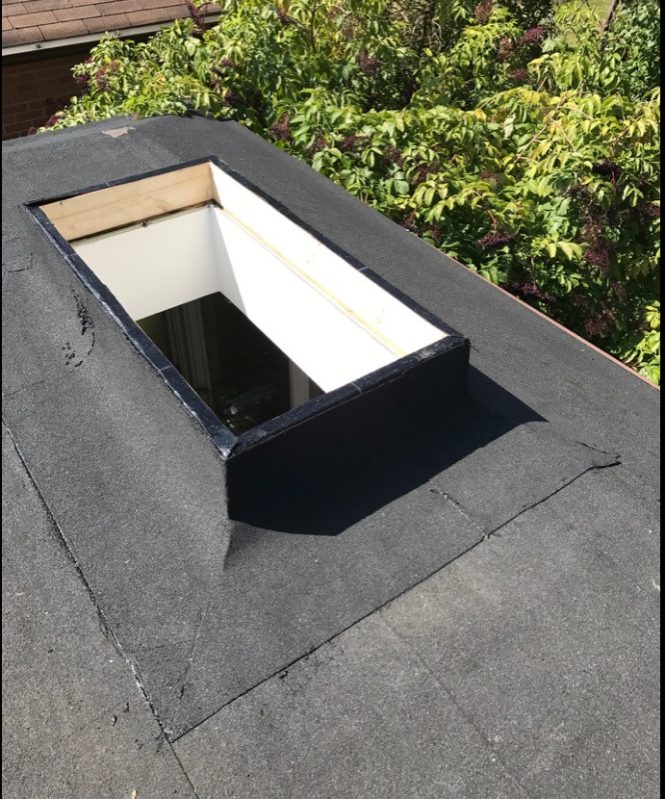

Fixing roof skylight leaks is a crucial aspect of home maintenance, often requiring careful inspection and targeted repair. These leaks can lead to significant water damage and structural problems if left unattended, impacting the overall value and integrity of your property. This comprehensive guide will delve into the common causes, diagnostic methods, and repair solutions for skylight leaks, empowering homeowners with the knowledge and steps to address this issue effectively.
Identifying the Source of the Leak
Visual Inspection:
Initial troubleshooting involves a thorough visual inspection of the skylight. Look for signs of water pooling or dampness around the skylight frame, flashing, or sealant. Check the skylight glass for cracks or damage. Observe if the water is dripping from a specific area or running along a particular path. Detailed observation and careful note-taking are essential to isolating the precise source of the problem. Identifying the source accurately is the first step toward a successful repair. Properly identifying the source of the problem will determine the appropriate solution. For example, if the leak is around the perimeter of the skylight, the issue likely lies with the flashing or sealant. If the water is dripping down the glass itself, a crack or a weakened sealant may be the cause. Using a flashlight can help identify hidden signs of damage.
Checking the Flashing:
Flashing, a metal or other waterproof material that overlaps edges, is crucial in directing water away from the skylight. Inspect the flashing for any gaps, missing sections, or signs of deterioration. Check for corrosion or loose connections. A damaged flashing can allow water to penetrate the roof. If the flashing is damaged, it needs to be replaced promptly. Improperly installed flashing or damage due to weather conditions can compromise the waterproofing of the skylight assembly.
Inspecting the Sealant:
Skylights rely on sealant to create a watertight barrier. Check the sealant around the skylight frame and glass for cracks, gaps, or missing areas. Inspect for signs of degradation due to weathering or age. A good sealant is essential in preventing water from seeping into the roofing system. Damaged or inadequate sealant is a prevalent cause of skylight leaks. The failure of the sealant is a common cause of skylight leaks, which can be assessed by checking for any gaps or cracks around the skylight frame. Using a moisture meter, can also be useful in pinpointing the source of moisture.
Repairing Skylight Leaks
Replacing Damaged Flashing:
Replacing damaged flashing is a crucial step in fixing skylight leaks. Carefully remove the damaged flashing and install new, high-quality flashing using the correct methods and materials. Ensure a tight seal around the skylight frame. If a flashing issue is not addressed promptly, it could lead to significant water damage and potentially more extensive repairs.
Resealing Skylights:
Resealing a skylight is a common repair for skylight leaks. Remove the old sealant, clean the surface thoroughly, and apply a fresh layer of quality skylight sealant using a caulking gun. Be mindful of the sealant application and ensure proper coverage and a consistent profile. The skylight sealant should be waterproof, durable and weather resistant for long-term effectiveness. Ensure the entire perimeter of the skylight and its frame is sealed correctly to avoid future leaks.
Addressing Leaks in Glass:
If the leak originates from the skylight glass, assess the extent of the damage. If the crack is small, consider sealing it with a specialized skylight sealant. However, if the crack is substantial, replacing the glass is necessary. Use professional-grade skylight glass replacement tools. A large crack often needs the full replacement of the skylight glass to prevent any further issues.
Preventing Future Leaks
Regular Maintenance:
Regular maintenance plays a crucial role in preventing skylight leaks. Inspecting the skylight regularly for signs of damage or deterioration is a preventative measure. Look for signs of moisture buildup or signs of water damage around the skylight and flashing.
Quality Materials:
Using high-quality materials for skylight repair and maintenance is vital. Choose materials that are durable, weather-resistant, and designed to withstand the elements. This can extend the lifespan of the skylight and minimize the risk of future leaks.
Professional Inspection:
Periodic professional inspections can help detect and address potential issues before they escalate into major problems. A professional inspection will often catch potential problems before they become noticeable. A professional evaluation can help ensure any repairs are effective and avoid recurring issues.
Choosing the Right Materials
Sealants:
Selecting the right sealant is important for preventing and fixing skylight leaks. Opt for a sealant that is compatible with skylight materials and is resistant to various weather conditions. Quality sealants can prevent and resolve leaks. Ensure the sealant is appropriate for both the surface and climatic conditions.
Flashing Materials:
Choosing the correct flashing materials is essential for maintaining skylight integrity. The choice of flashing material depends on the roof type and the local climate. Copper flashing is often a popular choice due to its durability and attractive appearance, while zinc or aluminum flashing may also be suitable for certain climates. Materials with superior durability are important in maintaining the roof. The correct flashing materials can provide lasting leak prevention.
Glass Types:
Glass selection for skylights is important in ensuring the skylight’s functionality and protection. Consider different types of glass available for skylights, such as tempered glass or laminated glass, each with unique properties and durability ratings that can impact the overall quality and lifespan of the skylight.
Advanced Techniques
Roof Repair Strategies:
Repairing a leaking roof involves investigating the overall condition of the roof and skylight to avoid problems down the line. Checking for other signs of roof damage, in addition to the skylight issues, is important. Inspect the attic and surrounding areas for moisture damage and assess the integrity of the roof to identify any potential issues. Early detection of problems often reduces future costs. Regular inspections can prevent future leaks. Addressing any underlying roof problems will prevent future leaks and skylight damage.
Skylight Replacement:
Under certain circumstances, complete skylight replacement may be necessary. Evaluate the extent of damage and consider if the repair is cost-effective and practical. Replacing the damaged skylight with a new, high-quality one can ensure long-term functionality and safety. This is often the best solution for very extensive damage.
How can I tell if my skylight needs repair?
Signs that your skylight might need repair include water pooling or dripping around the skylight, dampness on the ceiling or walls below the skylight, and signs of water damage on the surrounding materials. Inspecting the skylight for damage, such as cracks in the glass or gaps in the sealant, is a quick way to determine if further investigation is needed. Regular checks are vital for early detection and preventing further water damage.
How much does it cost to fix a skylight leak?
The cost of fixing a skylight leak varies significantly depending on the severity of the damage and the complexity of the repair. Factors such as the type of skylight, materials required, and labor costs can affect the overall repair price. It’s essential to get multiple quotes from qualified roofers before deciding on a repair.
What are the best preventive measures against skylight leaks?
Regular inspections are key to preventive maintenance. Checking the skylight, flashing, and sealant regularly for any signs of damage is essential. Using quality materials and seeking professional assistance for inspections and repairs can significantly reduce the risk of future leaks. Ensuring the flashing and sealant are in good condition helps prevent further issues.
Frequently Asked Questions
What are the most common causes of skylight leaks?
One of the most common causes of skylight leaks is damage to the flashing or sealant. Other causes include inadequate or damaged sealant, poorly installed flashing, and cracks or breaks in the skylight glass itself. Inspecting the sealant and flashing can greatly assist in resolving any issues quickly.
In conclusion, fixing skylight leaks requires a systematic approach, combining thorough inspection, precise identification of the source, and appropriate repair techniques. By following these steps, homeowners can effectively resolve leaks, preventing further damage and maintaining the structural integrity of their homes. For a free consultation on skylight repairs, contact our qualified roofing experts today! This comprehensive guide offers actionable steps to address skylight issues and maintain a dry, comfortable living space.