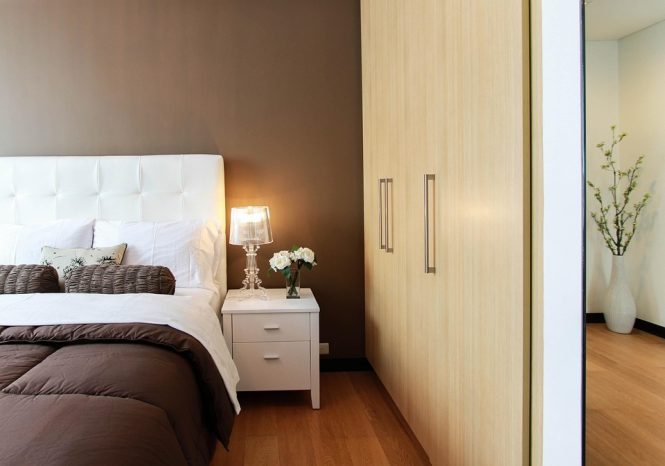
Designing the Perfect Bedroom: Expert Advice on Layout, Lighting, and More
When it comes to creating a haven for rest and relaxation, the bedroom is often the most neglected space in the home. However, a well-designed bedroom can greatly impact the quality of sleep, mental health, and overall well-being. In this article, we’ll delve into expert advice on designing the perfect bedroom, covering essential aspects such as layout, lighting, color schemes, and more.
Layout: The Foundation of a Perfect Bedroom
A well-planned layout is crucial to creating a functional and comfortable bedroom. Consider the following tips:
- Start with the bed: Position the bed in a commanding position, which means placing it in a way that you have a clear view of the door, but not directly in line with it. This creates a sense of security and allows for a restful night’s sleep.
- Create a sense of flow: Leave enough space between furniture pieces to create a sense of flow and easy movement. A good rule of thumb is to leave at least 30 inches between the bed and any other furniture.
- Consider the ‘golden zone’: The area around the bed, often referred to as the ‘golden zone,’ should be kept clutter-free and serene. Avoid placing furniture or decor that may distract or disrupt sleep.
- Don’t forget about storage: Incorporate ample storage solutions, such as closets, dressers, or shelves, to keep the room clutter-free and organized.
Lighting: Setting the Mood
Lighting can greatly impact the ambiance and functionality of a bedroom. Follow these expert tips:
- Layered lighting: Use a combination of overhead lighting, table lamps, and floor lamps to create a layered lighting effect. This allows for adjustability and flexibility in setting the mood.
- Soft, warm lighting: Use soft, warm lighting to create a relaxing atmosphere. Table lamps or floor lamps with warm-toned shades can add a cozy touch.
- Dimming capabilities: Install dimmer switches or use smart light bulbs to adjust the lighting level to your preference.
- Blackout curtains or shades: Consider investing in blackout curtains or shades to block out harsh morning light and create a dark, sleep-conducive environment.
Color Schemes: Creating a Soothing Atmosphere
The color scheme of your bedroom can greatly impact your mood and sleep quality. Consider the following:
- Calming colors: Opt for calming colors such as blues, greens, or neutral tones like beige or gray. These colors can promote relaxation and serenity.
- Avoid bold colors: Steer clear of bold, bright colors that can stimulate the brain and interfere with sleep.
- Consider the 60-30-10 rule: Allocate 60% of the room to a dominant color, 30% to a secondary color, and 10% to an accent color. This creates a balanced and harmonious color scheme.
- Don’t forget about textures: Incorporate different textures, such as plush rugs, soft blankets, or velvet pillows, to add depth and visual interest to the room.
Additional Tips for a Perfect Bedroom
- Minimize clutter: Keep the room clutter-free and organized to promote relaxation and reduce stress.
- Incorporate plants: Add some greenery to the room, as plants can purify the air and create a calming atmosphere.
- Invest in a comfortable mattress: A high-quality mattress can greatly impact sleep quality and overall well-being.
- Make it tech-friendly: Consider investing in smart home devices, such as thermostats or lights, to create a convenient and comfortable sleeping environment.
Conclusion
Designing the perfect bedroom requires careful consideration of layout, lighting, color schemes, and more. By following the expert advice outlined in this article, you can create a haven for rest and relaxation that promotes better sleep, mental health, and overall well-being. Remember to prioritize functionality, comfort, and serenity when designing your bedroom, and don’t be afraid to experiment and make adjustments until you find the perfect balance.