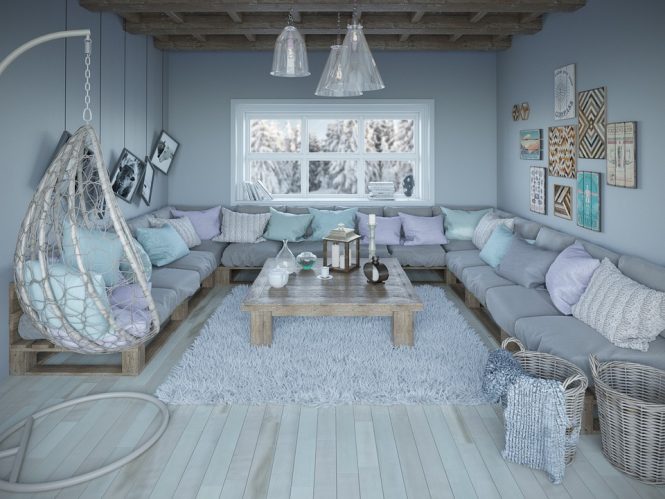
Cultural Influences: How to Incorporate Global Styles and Patterns into Your Interior Design
As the world becomes increasingly interconnected, it’s no surprise that cultural influences from around the globe are making their way into our homes. Incorporating global styles and patterns into your interior design can add a unique touch to your space, reflecting your personal travels, interests, and values. In this article, we’ll explore the diverse world of cultural influences and provide tips on how to seamlessly integrate them into your interior design.
Understanding Cultural Influences
Cultural influences refer to the diverse styles, patterns, and motifs that originate from different cultures and regions around the world. From the intricate tiles of Morocco to the minimalist aesthetics of Japan, each culture has its own distinct design language. By incorporating these influences into your interior design, you can create a space that is not only visually striking but also rich in cultural significance.
Popular Cultural Influences in Interior Design
- Moroccan Style: Characterized by vibrant colors, intricate patterns, and ornate tiles, Moroccan style is perfect for adding a touch of exotic flair to your space. Consider incorporating Moroccan-inspired tiles, rugs, and textiles into your design.
- Japanese Minimalism: Emphasizing simplicity, clean lines, and natural materials, Japanese minimalism is ideal for creating a calming and serene atmosphere. Incorporate elements like shoji screens, tatami mats, and natural wood accents to achieve this look.
- Indian Block Prints: Indian block prints are known for their bold colors and intricate patterns. Use these prints on fabrics, walls, or furniture to add a pop of color and cultural flair to your space.
- African Tribal Patterns: African tribal patterns are a great way to add visual interest and texture to your space. Incorporate these patterns through fabrics, rugs, and accessories to create a unique and eclectic look.
- Chinese Lacquerware: Chinese lacquerware is renowned for its stunning red and black hues. Use lacquerware-inspired furniture, decor, and accessories to add a touch of elegance and sophistication to your space.
Tips for Incorporating Cultural Influences into Your Interior Design
- Start with a Statement Piece: Begin by selecting a statement piece, such as a vintage Moroccan rug or a Japanese-inspired screen, and build your design around it.
- Mix and Match: Don’t be afraid to combine different cultural influences to create a unique and eclectic look. For example, pair Moroccan tiles with Indian block prints or Japanese minimalism with African tribal patterns.
- Balance and Restraint: Remember to balance your design with restraint. Too many cultural influences can create a cluttered and overwhelming space. Start with one or two statement pieces and build from there.
- Consider the Color Palette: Choose a color palette that complements the cultural influence you’re incorporating. For example, Moroccan style often features vibrant colors like blue, green, and yellow, while Japanese minimalism tends to emphasize neutrals like beige, gray, and white.
- Add Cultural Accessories: Incorporate cultural accessories like textiles, pottery, and decorative objects to add depth and authenticity to your design.
Incorporating Cultural Influences into Different Rooms
- Living Room: Incorporate cultural influences like Moroccan tiles, Indian block prints, or African tribal patterns into your living room through furniture, rugs, and accessories.
- Bedroom: Create a serene and calming atmosphere in your bedroom by incorporating Japanese minimalism or Chinese lacquerware-inspired design elements.
- Kitchen: Add a touch of cultural flair to your kitchen with Indian-inspired block print fabrics, Moroccan-style tiles, or African-inspired pottery.
- Bathroom: Incorporate cultural influences like Japanese-inspired natural materials, Moroccan-style tiles, or Indian-inspired block print fabrics into your bathroom design.
Conclusion
Incorporating cultural influences into your interior design can add a unique and exciting dimension to your space. By understanding the diverse world of cultural influences and following tips for incorporation, you can create a space that reflects your personal style and cultural interests. Remember to balance your design with restraint, consider the color palette, and add cultural accessories to create a authentic and visually striking space. Whether you’re drawn to the vibrant colors of Morocco or the minimalist aesthetics of Japan, the world of cultural influences is waiting to be explored and incorporated into your interior design.