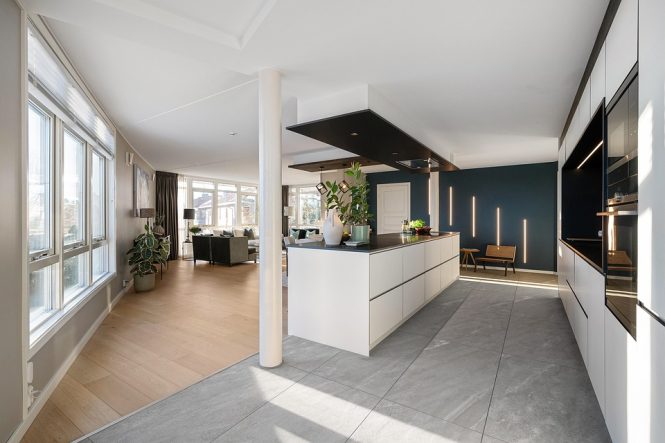
Cabinets that Flow: Creating a Seamless Look with Integrated Design
In recent years, the concept of integrated design has become increasingly popular in the world of interior design. One area where this trend is particularly evident is in the design of cabinets. Gone are the days of clunky, standalone cabinets that disrupt the flow of a room. Today, homeowners and designers are opting for cabinets that flow seamlessly into the surrounding space, creating a cohesive and streamlined look.
What are Cabinets that Flow?
Cabinets that flow refer to a design approach where the cabinets are integrated into the surrounding architecture, creating a seamless transition between the cabinets and the adjacent surfaces. This can be achieved through a variety of techniques, including flush-mounted cabinets, sliding doors, and continuous surfaces. The result is a clean, uncluttered look that creates a sense of openness and flow in the room.
Benefits of Cabinets that Flow
There are several benefits to incorporating cabinets that flow into your design. Some of the most significant advantages include:
- Increased sense of space: By eliminating the visual clutter of traditional cabinets, cabinets that flow can make a room feel larger and more open.
- Improved aesthetics: The seamless look created by cabinets that flow can add a touch of sophistication and elegance to a room.
- Enhanced functionality: Cabinets that flow can be designed to include clever storage solutions and functional features, such as slide-out shelves and hidden compartments.
- Easy maintenance: With fewer visible seams and edges, cabinets that flow can be easier to clean and maintain than traditional cabinets.
Design Techniques for Creating Cabinets that Flow
There are several design techniques that can be used to create cabinets that flow. Some of the most popular approaches include:
- Flush-mounted cabinets: This involves mounting the cabinets directly into the surrounding surface, creating a flush finish.
- Sliding doors: Sliding doors can be used to conceal the cabinet contents, creating a seamless look when the doors are closed.
- Continuous surfaces: Using continuous surfaces, such as a single piece of stone or wood, can help to create a sense of flow between the cabinets and the surrounding space.
- Integrated hardware: Concealing the hardware, such as hinges and handles, can help to create a clean and seamless look.
Real-World Applications
Cabinets that flow can be applied to a variety of spaces, including kitchens, bathrooms, and living areas. Some examples of real-world applications include:
- Kitchen design: Cabinets that flow can be used to create a seamless look in the kitchen, with flush-mounted cabinets and sliding doors that conceal the contents.
- Bathroom design: In the bathroom, cabinets that flow can be used to create a sense of openness and flow, with continuous surfaces and integrated hardware.
- Living area design: In the living area, cabinets that flow can be used to create a sleek and sophisticated look, with hidden storage compartments and slide-out shelves.
Conclusion
Cabinets that flow are a game-changer in the world of interior design. By creating a seamless look that integrates the cabinets into the surrounding space, homeowners and designers can create a sense of openness and flow that is both aesthetically pleasing and functional. Whether you’re designing a kitchen, bathroom, or living area, cabinets that flow are definitely worth considering. With their clean lines, clever storage solutions, and enhanced functionality, they are sure to become a staple of modern design.