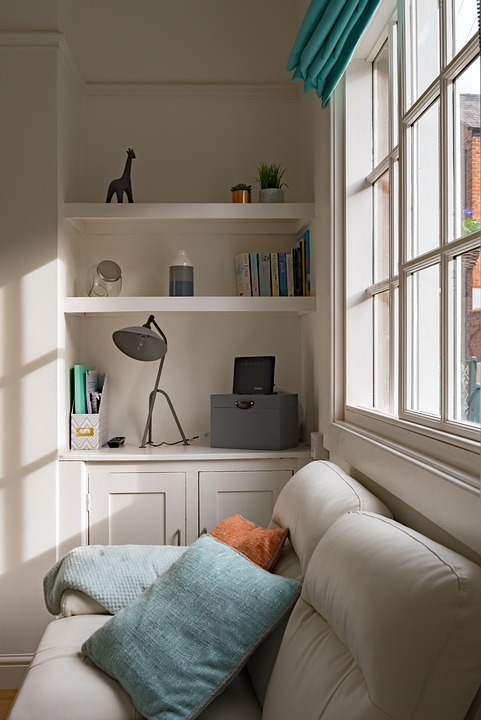
The Art of Mixing Patterns: How to Combine Furniture, Rugs, and Accessories for a Unique Living Room Look
When it comes to designing a living room, many of us stick to a safe and neutral color palette, fearing that mixing patterns and textures will result in a cluttered and overwhelming space. However, with a little guidance and creativity, combining different patterns and textures can add depth, visual interest, and personality to your living room. In this article, we’ll explore the art of mixing patterns and provide you with practical tips on how to combine furniture, rugs, and accessories to create a unique and stylish living room look.
Understanding Pattern Mixing Basics
Before we dive into the details, it’s essential to understand the basics of pattern mixing. Here are a few key principles to keep in mind:
- Start with a neutral base: A neutral-colored sofa or armchair provides a solid foundation for mixing patterns. This allows you to add patterned furniture, rugs, and accessories without overwhelming the space.
- Choose a unifying theme: Select a theme or color scheme that ties together the different patterns and textures in your living room. This could be a specific color palette, a style (e.g., modern, traditional), or a texture (e.g., wood, metal).
- Balance patterns with solids: Combine patterned pieces with solid-colored furniture and accessories to create visual balance and prevent the space from feeling overwhelming.
- Consider the 60-30-10 rule: Allocate 60% of the room to a dominant pattern or texture, 30% to a secondary pattern or texture, and 10% to an accent pattern or texture.
Mixing Patterns with Furniture
When it comes to mixing patterns with furniture, it’s essential to consider the scale and style of each piece. Here are a few tips:
- Combine bold patterns with neutral furniture: Pair a bold, patterned rug with a neutral-colored sofa or armchair to create a striking contrast.
- Mix and match patterns on furniture: Combine different patterns on furniture pieces, such as a striped sofa with a polka-dot armchair.
- Add texture with upholstered furniture: Incorporate upholstered furniture with different textures, such as velvet, linen, or leather, to add depth and visual interest to the space.
Rugs: The Ultimate Pattern-Mixing Tool
Rugs are an excellent way to add pattern and texture to your living room. Here are a few tips for mixing patterns with rugs:
- Choose a rug with a bold pattern: A bold, patterned rug can anchor the space and provide a foundation for mixing patterns with furniture and accessories.
- Layer rugs for added texture: Layer a smaller, patterned rug over a larger, neutral-colored rug to add texture and visual interest to the space.
- Consider the rug’s scale: Choose a rug that’s proportional to the room and furniture. A large rug can overwhelm a small space, while a small rug can get lost in a large room.
Accessories: The Final Touch
Accessories, such as throw pillows, blankets, and vases, can add the final touch to your pattern-mixing scheme. Here are a few tips:
- Add patterned throw pillows: Throw pillows with bold, contrasting patterns can add a pop of color and texture to your sofa or armchair.
- Incorporate patterned blankets: A patterned blanket can add warmth and texture to your living room, while also tying together different patterns and textures.
- Choose accessories with a unifying theme: Select accessories that reflect your chosen theme or color scheme to create a cohesive look.
Real-Life Examples
To illustrate the art of mixing patterns, let’s consider a few real-life examples:
- Example 1: Bold and Neutral: Combine a bold, striped rug with a neutral-colored sofa and a patterned armchair. Add solid-colored throw pillows and a textured blanket to balance the space.
- Example 2: Mix and Match: Pair a polka-dot rug with a striped sofa and a geometric-patterned armchair. Add a solid-colored coffee table and a textured vase to tie together the different patterns and textures.
- Example 3: Layered Look: Layer a smaller, patterned rug over a larger, neutral-colored rug. Add a bold, patterned sofa and a solid-colored armchair, and finish the look with patterned throw pillows and a textured blanket.
Conclusion
Mixing patterns and textures can be a fun and creative way to add personality and visual interest to your living room. By following the principles outlined in this article, you can create a unique and stylish space that reflects your personal style. Remember to start with a neutral base, choose a unifying theme, and balance patterns with solids. Don’t be afraid to experiment and try out different combinations of patterns and textures until you find a look that works for you. With a little practice and patience, you can master the art of mixing patterns and create a living room that’s truly one-of-a-kind.


