Rethinking Your Rooms: How Minimalist Decor Can Improve Your Mental Health
In today’s fast-paced world, our living spaces can often become cluttered and overwhelming, reflecting the chaos that can exist in our minds. However, research has shown that our surroundings can have a profound impact on our mental health and wellbeing. By adopting a minimalist approach to decor, you can create a peaceful and calming environment that promotes mental clarity and serenity. In this article, we’ll explore the benefits of minimalist decor on mental health and provide tips on how to create a harmonious space that supports your wellbeing.
The Impact of Clutter on Mental Health
Clutter can be a significant contributor to stress, anxiety, and feelings of overwhelm. When our surroundings are cluttered, it can be difficult to focus and relax, leading to increased levels of cortisol and other stress hormones. This can have a negative impact on our mental health, contributing to conditions such as depression, anxiety disorders, and even ADHD. Furthermore, clutter can also make it challenging to establish a sense of control and organization, leading to feelings of powerlessness and hopelessness.
The Benefits of Minimalist Decor
Minimalist decor, on the other hand, can have a profoundly positive impact on mental health. By eliminating clutter and unnecessary items, you can create a sense of calm and serenity that promotes relaxation and reduces stress. Here are some of the key benefits of minimalist decor:
- Reduced stress and anxiety: A clutter-free environment can help reduce feelings of overwhelm and anxiety, promoting a sense of calm and relaxation.
- Improved focus and concentration: A minimalist space can help you stay focused and avoid distractions, leading to improved productivity and mental clarity.
- Increased sense of control: By simplifying your surroundings, you can regain a sense of control and organization, leading to increased confidence and self-esteem.
- Enhanced creativity: A minimalist space can inspire creativity and imagination, as the absence of clutter and distractions allows the mind to wander and explore new ideas.
Tips for Creating a Minimalist Space
If you’re interested in adopting a minimalist approach to decor, here are some tips to get you started:
- Start with a purge: Begin by getting rid of items that are no longer needed or useful. Sort items into categories, and be ruthless – if you haven’t used it in the past year, it’s likely you won’t miss it.
- Simplify your color palette: Stick to a simple color scheme, using a limited number of colors to create a sense of calm and cohesion.
- Opt for multi-functional furniture: Choose furniture that serves multiple purposes, such as a storage ottoman or a desk with built-in shelving.
- Use natural light: Make the most of natural light by keeping windows unobstructed and using mirrors to reflect light and create the illusion of more space.
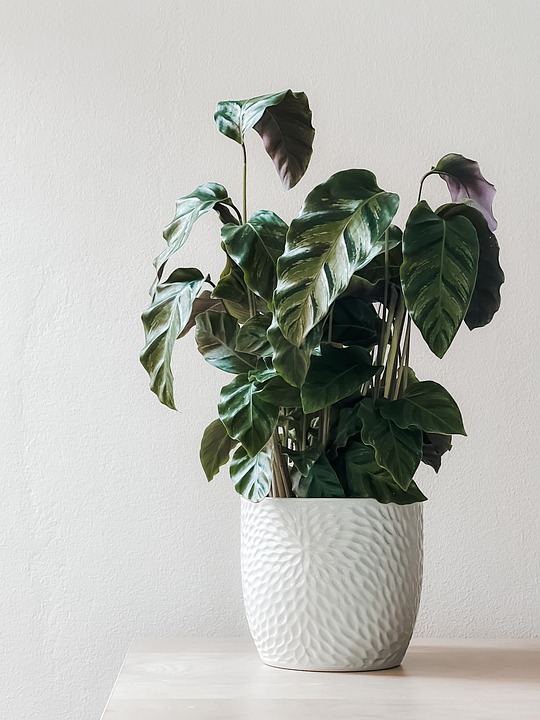
- Add plants: Plants can add a touch of warmth and personality to a minimalist space, while also purifying the air and promoting a sense of calm.
Creating a Harmonious Space
In addition to adopting a minimalist approach to decor, there are several other ways to create a harmonious space that supports your mental health. Here are a few tips:
- Incorporate calming scents: Certain scents, such as lavender and vanilla, can promote relaxation and reduce stress.
- Use soothing colors: Colors such as blue, green, and neutral tones can create a calming atmosphere and promote feelings of serenity.
- Add texture: Incorporate different textures, such as wood, stone, and plants, to add depth and visual interest to your space.
- Create a peaceful atmosphere: Use soft lighting, calming music, and comfortable seating to create a peaceful and inviting atmosphere.
Conclusion
By adopting a minimalist approach to decor, you can create a peaceful and calming environment that promotes mental clarity and serenity. By simplifying your surroundings, you can reduce stress and anxiety, improve focus and concentration, and increase your sense of control and confidence. Remember, it’s not about depriving yourself of things you love, but about creating a space that supports your mental health and wellbeing. So, take the first step towards a more harmonious and peaceful living space, and start rethinking your rooms today.