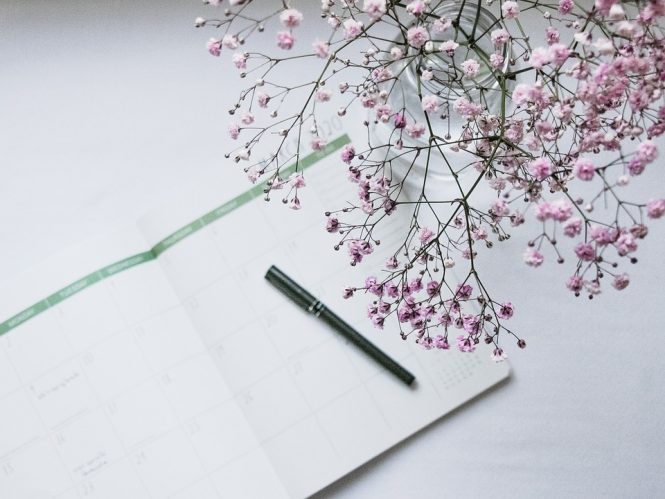
Declutter, Destress, Decorate: The Minimalist Approach to Home Design
In today’s fast-paced world, our homes are often a reflection of our chaotic lives. Cluttered spaces, overwhelming decor, and a lack of serenity can leave us feeling stressed and anxious. However, there is a solution: the minimalist approach to home design. By embracing the principles of minimalism, we can create a living space that is not only visually stunning but also promotes relaxation, calmness, and a sense of well-being.
The Power of Decluttering
The first step in adopting a minimalist approach to home design is to declutter. This means getting rid of anything that is no longer needed, useful, or brings joy. Clutter can be overwhelming, making it difficult to focus and relax. By paring down our belongings, we can create a sense of freedom and clarity. Start by going through each room, sorting items into three categories: keep, donate, and discard. Be ruthless – if you haven’t used it in a year, it’s likely you won’t miss it.
The Benefits of Minimalist Decor
Once you’ve decluttered, it’s time to think about decor. Minimalist design is all about simplicity, clean lines, and a limited color palette. This approach can make a space feel larger, brighter, and more peaceful. Consider using a neutral color scheme, such as whites, grays, and beiges, and add pops of color through furniture and accessories. Avoid bold patterns and busy textures, opting instead for smooth, sleek surfaces.
Creating a Sense of Calm
A minimalist home is not just about aesthetics; it’s also about creating a sense of calm. This can be achieved through the use of natural materials, such as wood and stone, and the incorporation of plants. Greenery has been shown to have a calming effect on the mind and body, and can even help to purify the air. Consider adding a few carefully chosen pieces of furniture, such as a comfortable sofa or a statement piece of art, to create a sense of warmth and personality.
The Importance of Negative Space
Negative space, or the empty space between objects, is a key element of minimalist design. This space allows the eye to rest and creates a sense of breathing room. Avoid over-accessorizing or cluttering a space with too many objects. Instead, use negative space to create a sense of flow and visual balance. This will make a room feel more relaxed and peaceful.
Practical Tips for Embracing Minimalism
- Start small: Begin with one room or area, and work your way up.
- Edit ruthlessly: Be honest with yourself about what you need and what you can live without.
- Invest in quality: Instead of buying cheap, trendy items, invest in a few high-quality, timeless pieces.
- Consider the 80/20 rule: 80% of the time, you likely only use 20% of your belongings.
- Don’t forget about texture: Add depth and interest to a space through the use of different textures, such as wood, stone, and fabric.
The Benefits of a Minimalist Home
By embracing the minimalist approach to home design, you can enjoy a range of benefits, including:
- Reduced stress and anxiety
- Improved focus and productivity
- Increased sense of calm and relaxation
- Enhanced creativity and inspiration
- A more sustainable and eco-friendly lifestyle
Conclusion
Decluttering, destressing, and decorating – the minimalist approach to home design is a simple yet powerful way to transform your living space into a haven of peace and tranquility. By paring down your belongings, embracing simplicity, and creating a sense of calm, you can create a home that is not only beautiful but also promotes well-being and happiness. So why not give it a try? Start your minimalist journey today and discover the joy of living with less.