The Pros and Cons of Different Roofing Materials: A Comprehensive Guide
When it comes to selecting the right roofing material for your home or building, there are numerous options to consider. Each type of roofing material has its unique set of advantages and disadvantages, which can make the decision-making process overwhelming. In this article, we will delve into the pros and cons of different roofing materials, providing you with a comprehensive guide to help you make an informed decision.
1. Asphalt Shingles
Asphalt shingles are one of the most popular roofing materials in the market, accounting for over 70% of all roofing installations. They are affordable, easy to install, and come in a wide range of colors and styles.
Pros:
- Affordable: Asphalt shingles are one of the most budget-friendly roofing options.
- Easy to install: Asphalt shingles are relatively simple to install, reducing labor costs.
- Wide range of colors and styles: Asphalt shingles come in various colors and styles, making it easy to match your roof with your home’s exterior.
Cons:
- Short lifespan: Asphalt shingles typically last between 20-30 years, which is shorter than other roofing materials.
- Prone to damage: Asphalt shingles can be damaged by high winds, hail, and extreme temperatures.
- Not eco-friendly: Asphalt shingles are made from non-renewable resources and contribute to landfill waste.
2. Metal Roofing
Metal roofing is a durable and long-lasting option that has gained popularity in recent years. It is made from materials such as aluminum, steel, or copper, and comes in various styles, including standing seam, corrugated, and metal shingles.
Pros:
- Durable: Metal roofing can last up to 50 years or more with proper maintenance.
- Energy-efficient: Metal roofing can help reduce energy costs by reflecting solar rays and keeping your home cool.
- Eco-friendly: Metal roofing is made from recycled materials and can be recycled at the end of its lifespan.
Cons:
- Expensive: Metal roofing is one of the more expensive roofing options.
- Noisy: Metal roofing can be noisy during rainfall or hail storms.
- Requires specialized installation: Metal roofing requires specialized installation, which can increase labor costs.
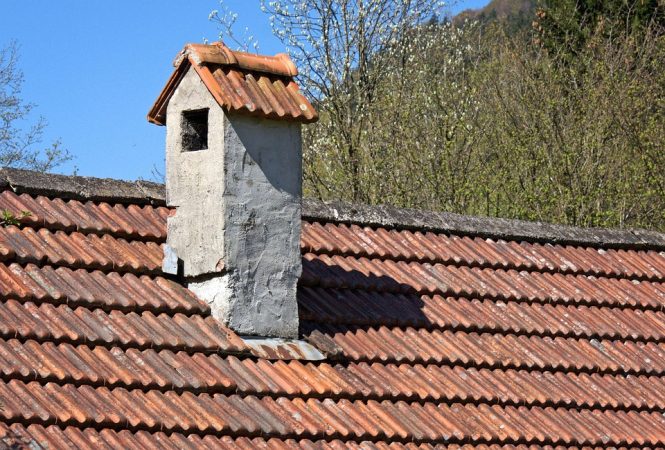
3. Clay or Concrete Tiles
Clay or concrete tiles are a popular roofing option in warmer climates. They are made from natural materials and come in various styles, including Spanish, Italian, and mission-style tiles.
Pros:
- Durable: Clay or concrete tiles can last up to 50 years or more with proper maintenance.
- Fire-resistant: Clay or concrete tiles are non-combustible, making them an excellent choice for areas prone to wildfires.
- Aesthetic appeal: Clay or concrete tiles come in various styles and colors, adding to your home’s curb appeal.
Cons:
- Heavy: Clay or concrete tiles are heavy, requiring additional support and potentially increasing structural costs.
- Expensive: Clay or concrete tiles are one of the more expensive roofing options.
- Prone to cracking: Clay or concrete tiles can crack or break if walked on or exposed to extreme weather conditions.
4. Slate Roofing
Slate roofing is a premium roofing option made from natural slate stone. It is known for its durability, fire-resistance, and aesthetic appeal.
Pros:
- Durable: Slate roofing can last up to 100 years or more with proper maintenance.
- Fire-resistant: Slate roofing is non-combustible, making it an excellent choice for areas prone to wildfires.
- Aesthetic appeal: Slate roofing has a unique, elegant appearance that adds to your home’s curb appeal.
Cons:
- Expensive: Slate roofing is one of the most expensive roofing options.
- Heavy: Slate roofing is extremely heavy, requiring additional support and potentially increasing structural costs.
- Requires specialized installation: Slate roofing requires specialized installation, which can increase labor costs.
5. Wood Shakes or Shingles
Wood shakes or shingles are a traditional roofing option made from natural wood materials. They are known for their rustic, charming appearance and can add to your home’s curb appeal.
Pros:
- Aesthetic appeal: Wood shakes or shingles have a unique, natural appearance that adds to your home’s curb appeal.
- Sustainable: Wood shakes or shingles are made from natural, renewable resources.
- Can be repaired: Wood shakes or shingles can be repaired or replaced individually, reducing waste and costs.
Cons:
- Short lifespan: Wood shakes or shingles typically last between 20-30 years, which is shorter than other roofing materials.
- Prone to damage: Wood shakes or shingles can be damaged by high winds, hail, and extreme temperatures.
- Requires regular maintenance: Wood shakes or shingles require regular maintenance to prevent rot, mold, and insect damage.
6. Solar Roofing
Solar roofing is a cutting-edge roofing option that integrates solar panels into the roofing material. It is a sustainable, energy-efficient option that can help reduce your energy costs.
Pros:
- Energy-efficient: Solar roofing can help reduce your energy costs by generating electricity from the sun.
- Sustainable: Solar roofing is made from renewable resources and can help reduce your carbon footprint.
- Aesthetic appeal: Solar roofing has a modern, sleek appearance that can add to your home’s curb appeal.
Cons:
- Expensive: Solar roofing is one of the more expensive roofing options.
- Requires specialized installation: Solar roofing requires specialized installation, which can increase labor costs.
- Limited availability: Solar roofing is not yet widely available, and the technology is still evolving.
In conclusion, each roofing material has its unique set of pros and cons, and the right choice for your home or building depends on your specific needs, budget, and climate. By considering the advantages and disadvantages of each roofing material, you can make an informed decision and choose the best option for your needs. Always consult with a professional roofer to determine the best roofing material for your specific situation.