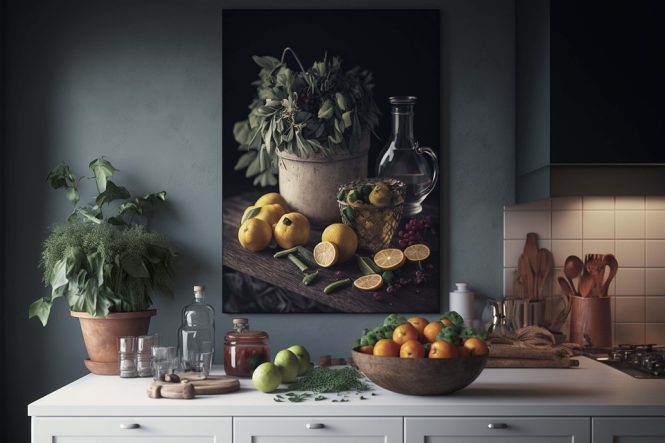
Ceiling Height: How to Make the Most of Your Kitchen’s Vertical Space
When it comes to kitchen design, it’s easy to get caught up in the latest trends and must-have appliances. However, one often-overlooked aspect of kitchen design is ceiling height. Whether you’re working with a compact, cozy kitchen or a spacious, open-plan layout, maximizing your kitchen’s vertical space can make a huge difference in terms of functionality, aesthetics, and overall feel.
In this article, we’ll explore the importance of ceiling height in kitchen design and provide tips on how to make the most of your kitchen’s vertical space, regardless of its size or style.
The Benefits of High Ceilings
High ceilings can do wonders for a kitchen, making it feel more spacious, airy, and luxurious. Here are just a few benefits of having high ceilings in your kitchen:
- Creates a sense of openness: High ceilings can create a sense of openness and freedom, making your kitchen feel larger than it actually is.
- Improves ventilation: High ceilings allow for better ventilation, which can help to reduce cooking odors and moisture.
- Enhances natural light: Higher ceilings can accommodate larger windows, which can bring in more natural light and make your kitchen feel brighter and more welcoming.
- Increases storage: With high ceilings, you can install taller cabinets and shelves, providing ample storage for kitchen essentials and keep your countertops clutter-free.
Tips for Maximizing Vertical Space
Even if your kitchen has a lower ceiling, there are still ways to maximize your vertical space. Here are some tips to get you started:
- Install floor-to-ceiling cabinets: Floor-to-ceiling cabinets can help to create a sense of height and provide ample storage for kitchen essentials.
- Use wall-mounted shelves: Wall-mounted shelves are a great way to add storage and keep your countertops clutter-free. Look for shelves with a slim profile to create a sense of openness.
- Opt for a kitchen cart or island: A kitchen cart or island can provide additional storage and countertop space, while also drawing the eye upwards and creating a sense of height.
- Choose a ceiling-mounted pot rack: A ceiling-mounted pot rack can add a touch of elegance to your kitchen while keeping your cookware organized and out of the way.
- Select lighting that draws the eye upwards: Lighting fixtures such as pendant lights or chandeliers can draw the eye upwards, creating a sense of height and adding visual interest to your kitchen.
Design Strategies for Low Ceilings
If your kitchen has a low ceiling, don’t worry – there are still ways to create a sense of height and maximize your vertical space. Here are some design strategies to consider:
- Use light colors: Light colors on walls, ceilings, and floors can help to create a sense of openness and make your kitchen feel larger.
- Minimize obstructions: Keep your kitchen free from obstructions such as bulky furniture or excessive decorations, which can make your space feel cluttered and cramped.
- Install shelves at different heights: Installing shelves at different heights can create a sense of visual interest and draw the eye upwards.
- Choose compact appliances: Compact appliances such as under-counter refrigerators or dishwashers can help to create a sense of openness and minimize visual clutter.
- Add a skylight or larger windows: If possible, consider adding a skylight or larger windows to bring in more natural light and create a sense of height.
Conclusion
Ceiling height is a crucial aspect of kitchen design, and maximizing your kitchen’s vertical space can make a huge difference in terms of functionality, aesthetics, and overall feel. Whether you’re working with a compact, cozy kitchen or a spacious, open-plan layout, there are ways to create a sense of height and make the most of your kitchen’s vertical space. By using design strategies such as floor-to-ceiling cabinets, wall-mounted shelves, and ceiling-mounted lighting, you can create a kitchen that feels spacious, airy, and luxurious – regardless of its size or style.