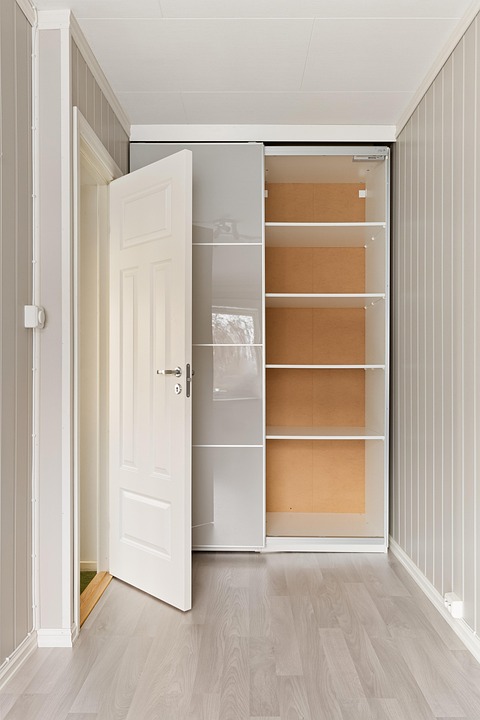
The Art of Cabinet Making: Tips and Tricks for DIY Enthusiasts
Cabinet making is a timeless craft that requires precision, patience, and attention to detail. For DIY enthusiasts, creating their own cabinets can be a rewarding and challenging project that adds a personal touch to any room. Whether you’re a seasoned woodworker or a beginner, this article will provide you with valuable tips and tricks to help you master the art of cabinet making.
Planning and Design
Before you begin building your cabinet, it’s essential to plan and design your project carefully. Consider the purpose of the cabinet, the space where it will be installed, and the style you want to achieve. Measure the area where the cabinet will be placed, taking into account any obstacles or constraints. Decide on the type of cabinet you want to build, such as a base cabinet, wall cabinet, or pantry.
When designing your cabinet, think about the materials you’ll use, the tools you’ll need, and the hardware required. Make a detailed sketch or drawing of your design, including dimensions, materials, and hardware. This will help you visualize your project and ensure that you have everything you need before you start building.
Choosing the Right Materials
The type of material you choose will depend on the style and durability you want to achieve. Some popular materials for cabinet making include:
- Solid hardwoods, such as oak, maple, and cherry, which offer a traditional and timeless look
- Plywood or medium-density fiberboard (MDF), which are more affordable and versatile options
- Melamine or laminate, which are durable and easy to clean
Consider the color, grain, and texture of the material, as well as its durability and resistance to moisture and wear. Always choose high-quality materials that will withstand the test of time and use.
Tools and Equipment
To build a cabinet, you’ll need a range of tools and equipment, including:
- Table saw or circular saw for cutting lumber
- Drill press or hand drill for drilling holes and driving screws
- Sander for smoothing out surfaces
- Jigsaw or bandsaw for curved cuts
- Clamps for holding pieces in place
- Measuring and marking tools, such as tape measures, squares, and pencils
Invest in high-quality tools that will make your work easier and more accurate. If you’re new to cabinet making, consider starting with basic tools and gradually adding more specialized equipment as you gain experience.
Construction Techniques
When building a cabinet, it’s essential to use proper construction techniques to ensure that your project is sturdy and durable. Some key techniques to master include:
- Dado joints, which are used to connect shelves to the cabinet carcass
- Dovetail joints, which are used to connect drawers to the cabinet carcass
- Mortise and tenon joints, which are used to connect the cabinet frame
- Dominos or biscuits, which are used to reinforce joints and add stability
Use a combination of glue, nails, and screws to assemble your cabinet, and always follow safety guidelines when working with power tools.
Finishing and Installation
Once your cabinet is built, it’s time to finish and install it. Choose a finish that complements the style and material of your cabinet, such as stain, paint, or varnish. Apply a protective coat to seal the finish and protect the cabinet from moisture and wear.
When installing your cabinet, ensure that it is level and securely attached to the wall or floor. Use shims and adjusting screws to fine-tune the fit and make any necessary adjustments.
Tips and Tricks
Here are some additional tips and tricks to help you master the art of cabinet making:
- Use a cabinet-making software or app to design and visualize your project
- Create a cut list and materials list to ensure that you have everything you need
- Use a jig or template to repeat cuts and ensure accuracy
- Add a back panel to your cabinet to provide additional support and stability
- Use adjustable shelves to create a flexible and adaptable storage solution
- Consider adding decorative trim or molding to enhance the appearance of your cabinet
Common Mistakes to Avoid
When building a cabinet, it’s easy to make mistakes that can compromise the quality and durability of your project. Some common mistakes to avoid include:
- Inaccurate measurements or cuts
- Insufficient joinery or reinforcement
- Poor finishing or installation techniques
- Failure to follow safety guidelines when working with power tools
By avoiding these common mistakes and following the tips and tricks outlined in this article, you’ll be well on your way to creating beautiful and functional cabinets that will enhance any room in your home.
Conclusion
Cabinet making is a rewarding and challenging hobby that requires patience, precision, and attention to detail. With the right tools, materials, and techniques, you can create stunning cabinets that add a personal touch to any room. Whether you’re a seasoned woodworker or a beginner, remember to plan carefully, choose high-quality materials, and follow proper construction techniques to ensure that your project is a success. Happy building!