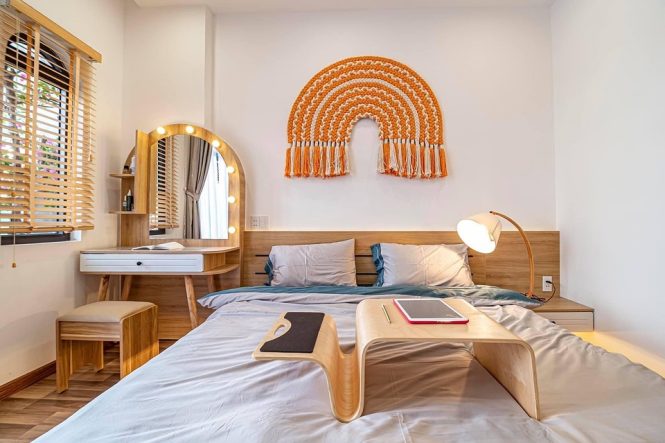
The Psychology of Bedroom Decor: How Your Space Can Affect Your Mood, Relationships, and Productivity
When it comes to designing our living spaces, we often focus on the aesthetic appeal and functionality of each room. However, the psychology of bedroom decor is a crucial aspect that can significantly impact our mood, relationships, and productivity. Our bedroom is our sanctuary, a place where we retreat to relax, recharge, and connect with ourselves and our loved ones. In this article, we will explore the psychological effects of bedroom decor and provide tips on how to create a space that promotes well-being, intimacy, and productivity.
The Impact of Color on Mood
Color is a powerful element in bedroom decor that can greatly influence our mood and emotions. Different colors can evoke different emotional responses, and choosing the right color scheme can help create a relaxing and calming atmosphere. For example:
- Soft blues and greens can promote feelings of serenity and tranquility, making it easier to fall asleep and relax.
- Warm neutrals like beige and taupe can create a cozy and inviting atmosphere, perfect for a romantic retreat.
- Bold and bright colors like red and orange can stimulate energy and passion, but may not be suitable for a bedroom where relaxation is key.
The Role of Lighting in Mood Regulation
Lighting is another crucial aspect of bedroom decor that can affect our mood and sleep patterns. Natural light exposure can regulate our circadian rhythms, while artificial lighting can create a cozy and intimate ambiance. Consider the following:
- Table lamps or floor lamps can provide soft, warm lighting that creates a relaxing atmosphere.
- String lights or fairy lights can add a touch of whimsy and romance to the room.
- Blackout curtains or blinds can help regulate sleep patterns by blocking out external light sources.
The Psychology of Clutter and Organization
Clutter and disorganization can have a significant impact on our mental health and relationships. A cluttered bedroom can create feelings of anxiety, stress, and overwhelm, while a tidy and organized space can promote relaxation and calmness. Consider the following:
- Implement a “one in, one out” policy to maintain a clutter-free environment.
- Use storage solutions like dressers, nightstands, and closets to keep belongings organized and out of sight.
- Create a “launching pad” near the door where you can place your keys, wallet, and other essentials to maintain a sense of control and organization.
The Importance of Texture and Comfort
Texture and comfort are essential elements in bedroom decor that can affect our mood and relationships. A comfortable and inviting bed can promote relaxation and intimacy, while a cluttered and uncomfortable space can create tension and conflict. Consider the following:
- Invest in a high-quality mattress and pillows to ensure a comfortable sleeping surface.
- Add throw blankets, rugs, and plush towels to create a cozy and inviting atmosphere.
- Incorporate natural textures like wood, stone, or plants to bring warmth and character to the room.
The Impact of Technology on Sleep and Relationships
Technology can be a significant distraction in the bedroom, affecting our sleep patterns and relationships. Consider the following:
- Avoid using electronic devices at least an hour before bedtime to promote relaxation and reduce screen time.
- Create a “tech-free” zone in the bedroom to encourage intimacy and connection with your partner.
- Use alarm clocks or white noise machines to create a sleep-conducive environment and reduce distractions.
The Role of Art and Decor in Mood Regulation
Art and decor can play a significant role in mood regulation and relationships. A thoughtfully curated selection of art and decor can create a sense of personality and style, while also promoting relaxation and intimacy. Consider the following:
- Hang calming and soothing artwork, such as nature scenes or abstract pieces, to promote relaxation.
- Display personal items, such as family photos or mementos, to create a sense of connection and intimacy.
- Incorporate plants or flowers to bring natural beauty and freshness to the room.
Conclusion
The psychology of bedroom decor is a complex and multifaceted topic that can have a significant impact on our mood, relationships, and productivity. By carefully considering the elements of color, lighting, clutter, texture, comfort, technology, and art, we can create a bedroom space that promotes relaxation, intimacy, and well-being. Remember, your bedroom is your sanctuary, and investing time and effort into creating a space that nourishes your mind, body, and soul is essential for a happy and healthy life.
In order to create the perfect bedroom space, it is essential to ask yourself a few questions:
What is the main purpose of my bedroom?
What kind of atmosphere do I want to create in my bedroom?
What are my favorite colors, textures, and decorative pieces?
What kind of lighting do I need to create a relaxing atmosphere?
What are the things that I can do to minimize clutter and maximize organization in my bedroom?
By answering these questions and considering the psychological effects of bedroom decor, you can create a space that promotes relaxation, intimacy, and productivity, and ultimately improves your overall well-being.