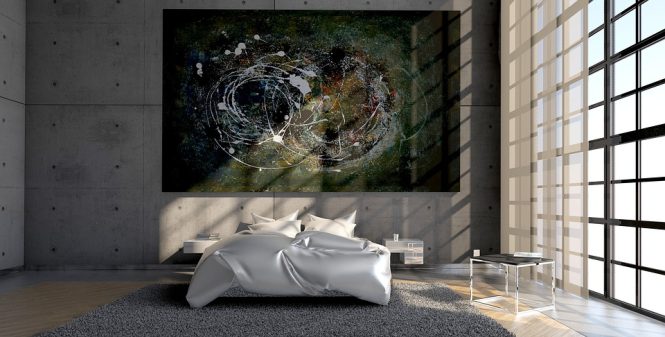
Paint Your Way to Serenity: Calming Bedroom Colors to Improve Sleep
In today’s fast-paced world, getting a good night’s sleep is more crucial than ever. A well-rested mind and body can make all the difference in our daily lives, improving our mood, productivity, and overall well-being. While there are many factors that can affect our sleep quality, one often overlooked aspect is the color scheme of our bedroom. In this article, we’ll delve into the world of calming bedroom colors and explore how painting your way to serenity can improve your sleep.
The Science Behind Calming Colors
Colors have a profound impact on our emotions and mood. Different hues can stimulate or calm our minds, and when it comes to the bedroom, we want to create an atmosphere that promotes relaxation and tranquility. Research has shown that certain colors can slow down our heart rate, lower our blood pressure, and even reduce stress levels. These calming colors can be broadly categorized into three groups: cool, neutral, and soft pastels.
Cool Colors: The Ultimate Sleep Inducers
Cool colors such as blues, greens, and purples are known to have a calming effect on our minds and bodies. These colors can help to:
- Lower our body temperature, making it easier to fall asleep
- Reduce stress and anxiety, promoting relaxation
- Slow down our heart rate, leading to a deeper sleep
Some popular cool colors for the bedroom include:
- Soft blue: A gentle, soothing hue that can evoke feelings of tranquility
- Mint green: A calming and refreshing color that can help to reduce stress
- Lavender: A soft, purple hue that can promote relaxation and improve sleep quality
Neutral Colors: The Perfect Balance
Neutral colors such as beige, gray, and taupe can provide a sense of balance and stability in the bedroom. These colors can:
- Create a sense of calmness and serenity, making it easier to fall asleep
- Reduce visual stimulation, allowing our minds to unwind
- Provide a clean and minimalist backdrop for a restful sleep
Some popular neutral colors for the bedroom include:
- Light gray: A soft, soothing hue that can promote relaxation
- Cream: A warm, neutral color that can create a cozy atmosphere
- Taupe: A muted, earthy tone that can bring a sense of balance to the bedroom
Soft Pastels: The Gentle Sleep Aids
Soft pastel colors such as pale pink, baby blue, and mauve can add a touch of warmth and coziness to the bedroom. These colors can:
- Create a sense of softness and gentleness, making it easier to fall asleep
- Promote feelings of relaxation and calmness, reducing stress and anxiety
- Add a touch of whimsy and playfulness to the bedroom, making it a welcoming space
Some popular soft pastel colors for the bedroom include:
- Pale pink: A soft, soothing hue that can promote relaxation and improve sleep quality
- Baby blue: A gentle, calming color that can create a sense of tranquility
- Mauve: A soft, muted tone that can add a touch of warmth and coziness to the bedroom
Tips for Choosing the Perfect Calming Color
When choosing a calming color for your bedroom, consider the following tips:
- Consider your personal preferences: Choose a color that you find soothing and relaxing
- Think about the natural light: If your bedroom receives a lot of natural light, choose a color that won’t be overpowered by the sunlight
- Don’t forget about the 60-30-10 rule: Use the calming color as the dominant color (60%), a secondary color (30%), and an accent color (10%) to create a balanced and harmonious atmosphere
Conclusion
Painting your way to serenity can be a simple yet effective way to improve your sleep quality. By choosing a calming color scheme for your bedroom, you can create an atmosphere that promotes relaxation, reduces stress, and improves your overall well-being. Whether you prefer cool colors, neutral tones, or soft pastels, there’s a calming color out there that can help you paint your way to a restful and rejuvenating sleep. So why not give it a try? Paint your bedroom with a calming color and wake up to a brighter, more serene tomorrow.