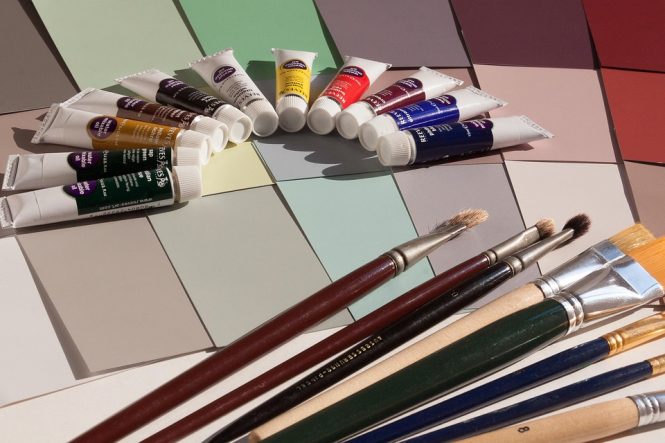
Mood Board Magic: Creating a Cohesive Look with Interior Paint Colors and Decor
When it comes to designing a space, creating a cohesive look can be a daunting task. With so many options for interior paint colors, decor, and furniture, it’s easy to get overwhelmed. However, with the help of a mood board, you can bring your design vision to life and create a space that reflects your personality and style.
What is a Mood Board?
A mood board is a visual tool used to convey a specific mood, atmosphere, or aesthetic. It’s a collage of images, colors, and textures that evoke a particular feeling or style. In the context of interior design, a mood board is used to create a cohesive look by combining different elements such as paint colors, furniture, decor, and accessories.
How to Create a Mood Board
Creating a mood board is a fun and creative process. Here are the steps to follow:
- Start with Inspiration: Gather images, colors, and textures that inspire you. This can be from magazines, Pinterest, or even nature.
- Define Your Style: Determine the style or aesthetic you want to achieve. Is it modern, traditional, or bohemian?
- Choose a Color Palette: Select a few colors that reflect your style and mood. You can use online color picker tools or consult with a color expert.
- Add Images and Textures: Include images of furniture, decor, and accessories that fit your style and color palette.
- Experiment and Refine: Play around with different combinations of images, colors, and textures until you achieve a cohesive look.
Tips for Creating a Cohesive Look with Interior Paint Colors and Decor
- Limit Your Color Palette: Stick to 3-5 main colors to avoid visual overload.
- Consider the 60-30-10 Rule: Allocate 60% of the room to a dominant color, 30% to a secondary color, and 10% to an accent color.
- Balance Warm and Cool Tones: Mix warm and cool tones to create a visually appealing atmosphere.
- Add Texture and Pattern: Incorporate different textures and patterns to add depth and interest to the space.
- Don’t Forget About Neutral Colors: Use neutral colors such as beige, gray, or white to provide a background for your design.
Mood Board Magic in Action
Let’s say you’re designing a bedroom with a coastal theme. Your mood board might include:
- Images of calming ocean views and sandy beaches
- A color palette featuring soft blues, whites, and sandy neutrals
- Textures such as woven baskets, natural fibers, and driftwood
- Decor elements like seashells, starfish, and nautical accents
By combining these elements, you can create a cohesive look that transports you to a peaceful coastal retreat.
Conclusion
Creating a mood board is a powerful tool for designing a space that reflects your personality and style. By combining interior paint colors, decor, and furniture in a way that evokes a specific mood or atmosphere, you can create a cohesive look that is both beautiful and functional. Remember to limit your color palette, balance warm and cool tones, and add texture and pattern to create a visually appealing space. With mood board magic, the possibilities are endless, and you can bring your design vision to life.