The Color Code: Cracking the Secrets of Interior Paint Color Combinations
When it comes to selecting interior paint color combinations, the options can seem endless, and the process can be overwhelming. With so many hues and shades to choose from, it’s easy to get lost in the vast world of color possibilities. However, understanding the secrets of color combinations can help you unlock the perfect palette for your space. In this article, we’ll delve into the world of interior paint color combinations and explore the color code that can help you create harmonious and stunning spaces.
The Basics of Color Theory
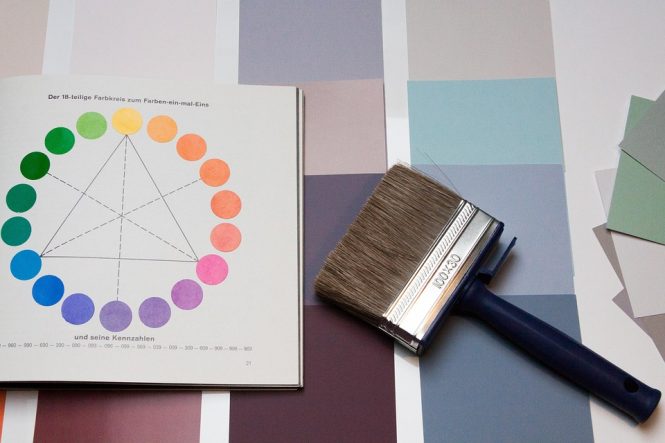
Before we dive into the world of color combinations, it’s essential to understand the basics of color theory. The color wheel is a fundamental tool that helps us understand how colors interact with each other. The color wheel is divided into primary colors (red, yellow, and blue), secondary colors (orange, green, and purple), and tertiary colors (colors created by mixing primary and secondary colors). Understanding the color wheel is crucial in creating color combinations that work well together.
Color Harmony Principles
Color harmony principles are the foundation of creating beautiful and effective color combinations. There are several principles to consider, including:
- Monochromatic: Using different shades of the same color to create a cohesive look.
- Complementary: Pairing colors that are opposite each other on the color wheel to create contrast and visual interest.
- Analogous: Using colors that are next to each other on the color wheel to create a smooth and harmonious transition.
- Triadic: Using three colors that are equally spaced from each other on the color wheel to create a balanced and vibrant look.
Interior Paint Color Combinations
Now that we’ve explored the basics of color theory and harmony principles, let’s look at some popular interior paint color combinations that can help you create stunning spaces:
- Neutral and Bold: Pairing neutral colors like beige, gray, or white with bold colors like navy blue, emerald green, or yellow can create a striking and modern look.
- Earth Tones: Combining earthy colors like terracotta, sienna, and umber can create a warm and cozy atmosphere.
- Pastel Paradise: Using soft pastel colors like pale pink, baby blue, or mint green can create a soft and calming environment.
- Monochromatic Neutrals: Using different shades of the same neutral color can create a cohesive and sleek look.
Tips for Selecting Interior Paint Color Combinations
Selecting the perfect interior paint color combination can be a daunting task, but here are some tips to help you make the right choice:
- Consider the Natural Light: Take into account the amount of natural light your space receives, as this can affect how the colors appear.
- Think About the Room’s Purpose: Different rooms have different functions, and the color combination should reflect this. For example, a bedroom should be calming, while a home office should be stimulating.
- Don’t Forget About the Furniture: Consider the colors of your furniture and decor when selecting a color combination.
- Test the Colors: Always test the colors with a sample swatch before committing to a specific combination.
Conclusion
Cracking the secrets of interior paint color combinations requires an understanding of color theory, harmony principles, and the basics of color combinations. By considering the color wheel, color harmony principles, and popular color combinations, you can create stunning and effective interior spaces. Remember to consider the natural light, room purpose, furniture, and test the colors before making a final decision. With these tips and principles in mind, you’ll be well on your way to creating beautiful and harmonious spaces that reflect your personal style.