The Ultimate Guide to Bathroom Vanities: Materials, Styles, and More
Introduction
Bathroom vanities are an essential component of any bathroom, serving both functional and aesthetic purposes. They provide a space for personal hygiene, storage for toiletries, and a design element that can elevate the overall look and feel of the bathroom. With numerous materials, styles, and configurations available, selecting the perfect bathroom vanity can be overwhelming. In this guide, we will explore the various options, considerations, and trends to help you make an informed decision.
Materials
Bathroom vanities are constructed from a range of materials, each with its unique characteristics, advantages, and disadvantages. Some of the most common materials include:
- Wood: Wooden vanities are durable, elegant, and can be stained or painted to match any bathroom decor. However, they require regular maintenance to prevent water damage and warping.
- MDF (Medium-Density Fiberboard): MDF vanities are affordable, easy to install, and resistant to scratches and dents. Nevertheless, they are prone to water damage and may not be suitable for high-moisture environments.
- Granite: Granite vanities are highly durable, resistant to scratches and heat, and offer a luxurious appearance. Nonetheless, they can be expensive and require periodic sealing to maintain their beauty.
- Quartz: Quartz vanities are engineered stones that combine the benefits of natural stone with the durability of man-made materials. They are low-maintenance, resistant to stains and scratches, and available in a wide range of colors and patterns.
- Glass: Glass vanities are sleek, modern, and easy to clean. However, they can be fragile and may not provide the same level of storage as other materials.
- Recycled Materials: Eco-friendly vanities made from recycled materials, such as reclaimed wood or bamboo, are becoming increasingly popular. They offer a unique, sustainable alternative to traditional materials.
Styles
Bathroom vanities come in a variety of styles to suit different tastes, décors, and space constraints. Some popular styles include:
- Modern: Characterized by clean lines, minimal ornamentation, and an emphasis on functionality, modern vanities are perfect for contemporary bathrooms.
- Traditional: Classic, elegant, and ornate, traditional vanities often feature intricate carvings, raised panels, and a warm, inviting aesthetic.
- Rustic: Rustic vanities evoke a cozy, natural ambiance, often incorporating reclaimed wood, distressed finishes, and vintage hardware.
- Vintage: Vintage-inspired vanities combine classic elements with modern functionality, creating a unique, eclectic look.
- Wall-Mounted: Wall-mounted vanities are ideal for small bathrooms, as they save floor space and create a sense of openness.
- Floating: Floating vanities appear to be suspended from the wall, creating a sleek, minimalist appearance that is perfect for modern bathrooms.
Configuration and Size
Bathroom vanities are available in a range of configurations and sizes to accommodate different space constraints and user needs. Consider the following factors when selecting a vanity:
- Single-Sink: Suitable for small to medium-sized bathrooms, single-sink vanities are compact and functional.
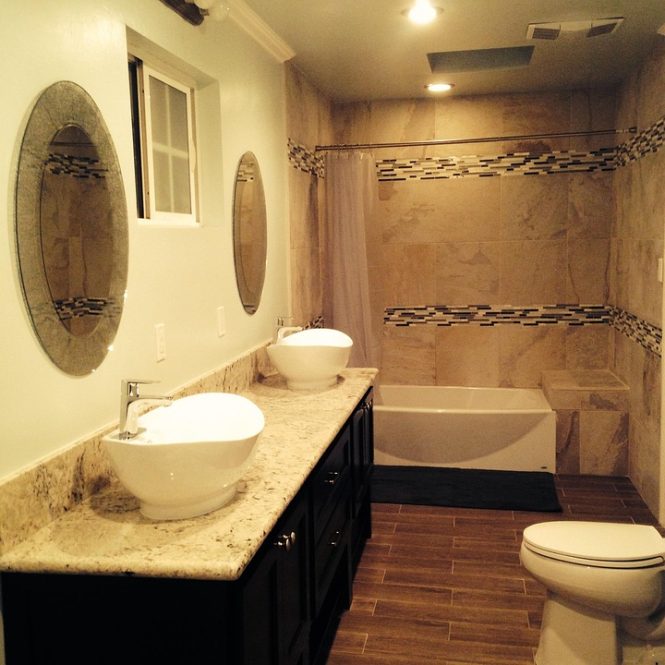
- Double-Sink: Ideal for larger bathrooms or shared spaces, double-sink vanities provide ample counter space and storage.
- Corner: Corner vanities are designed to fit into tight spaces, making them perfect for small bathrooms or L-shaped layouts.
- Wide: Wide vanities offer extensive counter space and storage, making them suitable for large bathrooms or families.
- Tall: Tall vanities provide additional storage and counter space, while also creating a sense of openness and airiness.
Additional Features
When selecting a bathroom vanity, consider the following additional features to enhance functionality and comfort:
- Storage: Ample storage is essential for keeping toiletries, towels, and other bathroom essentials organized and within reach.
- Lighting: Built-in lighting, such as LED strips or cabinetry lights, can create a warm, inviting ambiance and improve task lighting.
- Plumbing: Consider the type of faucet, sink, and drainage system that suits your needs and preferences.
- Electrical: Think about the placement of outlets, switches, and other electrical components to ensure safe and convenient access.
Conclusion
Choosing the perfect bathroom vanity requires careful consideration of materials, styles, configuration, and additional features. By understanding the various options available, you can create a functional, beautiful, and comfortable bathroom space that meets your unique needs and preferences. Remember to prioritize durability, maintenance, and aesthetics when making your decision, and don’t hesitate to seek professional advice if needed. With the right bathroom vanity, you can elevate your bathroom experience and enjoy a relaxing, rejuvenating space that reflects your personal style.