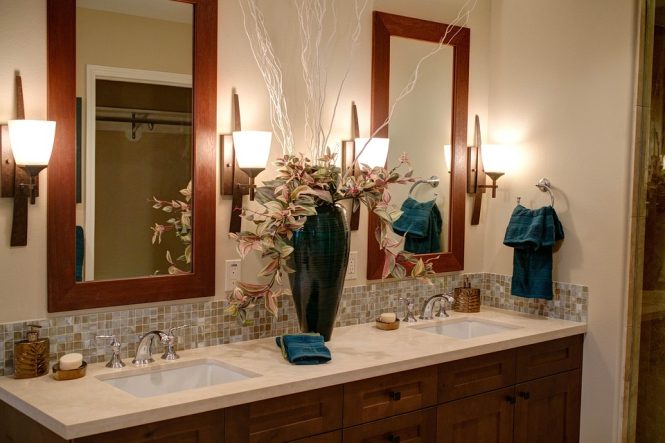
As the world grapples with the challenges of climate change, many homeowners are looking for ways to reduce their carbon footprint and create a more sustainable living space. Eco-friendly home improvements can not only help the environment, but also save you money on energy costs and increase the value of your property. In this article, we’ll explore some simple and effective ways to make your home more eco-friendly.
1. Switch to Energy-Efficient Lighting
One of the simplest and most effective ways to reduce your carbon footprint is to switch to energy-efficient lighting. LED bulbs, for example, use up to 90% less energy than traditional incandescent bulbs and can last up to 25 times longer. Additionally, consider installing smart lighting systems that can be controlled remotely and adjusted to optimize energy usage.
2. Improve Insulation and Air Sealing
Proper insulation and air sealing can help reduce heat loss in the winter and heat gain in the summer, which can lead to significant energy savings. Consider adding insulation to your attic, walls, and floors, and sealing any gaps or cracks around doors and windows. This can help reduce your energy consumption by up to 30%.
3. Install Solar Panels
Solar panels are a great way to generate renewable energy and reduce your reliance on fossil fuels. While the initial investment can be expensive, solar panels can save you money on energy costs in the long run and increase the value of your property. Additionally, many governments offer incentives and tax credits for homeowners who install solar panels.
4. Upgrade to Energy-Efficient Appliances
Energy-efficient appliances, such as those with the ENERGY STAR label, use significantly less energy than traditional appliances. Consider upgrading to energy-efficient refrigerators, washing machines, and dishwashers, which can help reduce your energy consumption by up to 50%.
5. Use Sustainable Building Materials
When renovating or building your home, consider using sustainable building materials, such as reclaimed wood, bamboo, and low-VOC (volatile organic compound) paints. These materials can help reduce waste, conserve natural resources, and improve indoor air quality.
6. Install a Rainwater Harvesting System
Rainwater harvesting systems collect and store rainwater for non-potable uses, such as flushing toilets and washing clothes. This can help reduce your water consumption by up to 50% and decrease your water bills.
7. Create a Green Roof or Wall
Green roofs and walls are covered with plants and can help insulate your home, reduce stormwater runoff, and create habitats for wildlife. They can also help reduce urban heat island effects and improve air quality.
8. Upgrade to a Tankless Water Heater
Tankless water heaters heat water only as needed, which can help reduce energy consumption by up to 30%. They also last longer than traditional tank-style water heaters and can provide a continuous supply of hot water.
9. Use Eco-Friendly Flooring
Eco-friendly flooring options, such as bamboo, cork, and reclaimed wood, are sustainable, durable, and can help improve indoor air quality. They can also add a unique touch to your home’s décor.
10. Conduct an Energy Audit
Finally, consider conducting an energy audit to identify areas of energy inefficiency in your home. This can help you prioritize your eco-friendly home improvements and ensure that you’re making the most effective changes to reduce your carbon footprint.
In conclusion, making eco-friendly home improvements can have a significant impact on reducing your carbon footprint and creating a more sustainable living space. From switching to energy-efficient lighting to installing solar panels, there are many simple and effective ways to make your home more eco-friendly. By incorporating these tips into your home improvement plans, you can help reduce your energy consumption, save money on energy costs, and contribute to a more sustainable future.