The Roof Repair Guide: Everything You Need to Know
Your roof is one of the most critical components of your home, providing protection from the elements and keeping you and your family safe and dry. However, like any other part of your home, your roof can deteriorate over time, leading to leaks, damage, and even structural issues. In this comprehensive guide, we’ll walk you through everything you need to know about roof repair, from identifying common problems to choosing the best materials and hiring a professional contractor.
Common Roof Problems
Before we dive into the repair process, it’s essential to understand the common issues that can affect your roof. Some of the most common problems include:
- Leaks: Water entering your home through cracks or gaps in the roof can cause significant damage to your walls, ceilings, and flooring.
- Missing or damaged shingles: Shingles that are missing, cracked, or curled can allow water to seep into your home and cause further damage.
- Curling or buckling shingles: Shingles that are no longer lying flat can create gaps and allow water to enter your home.
- Cracked or broken flashing: Flashing around chimneys, vents, and skylights can become damaged, allowing water to enter your home.
- Structural damage: Problems with your roof’s support system, such as rotten rafters or trusses, can lead to more significant issues, including collapse.
Roof Repair vs. Replacement
When it comes to addressing roof problems, you’ll need to decide whether to repair or replace your roof. Here are some factors to consider:
- Age: If your roof is nearing the end of its expected lifespan (typically 20-30 years), it may be more cost-effective to replace it rather than repair individual issues.
- Extent of damage: If the damage is extensive or affects a significant portion of your roof, replacement may be the better option.
- Cost: Repairing individual issues can be less expensive than replacing your entire roof, but multiple repairs can add up over time.
- Safety: If your roof is structurally unsound or poses a risk to your safety, replacement is often the best choice.
Choosing the Right Materials
When repairing or replacing your roof, it’s essential to choose the right materials for the job. Some popular options include:
- Asphalt shingles: A cost-effective and widely available option, asphalt shingles are a popular choice for many homeowners.
- Metal roofing: Durable and long-lasting, metal roofing can provide excellent protection from the elements and is available in a range of styles and materials.
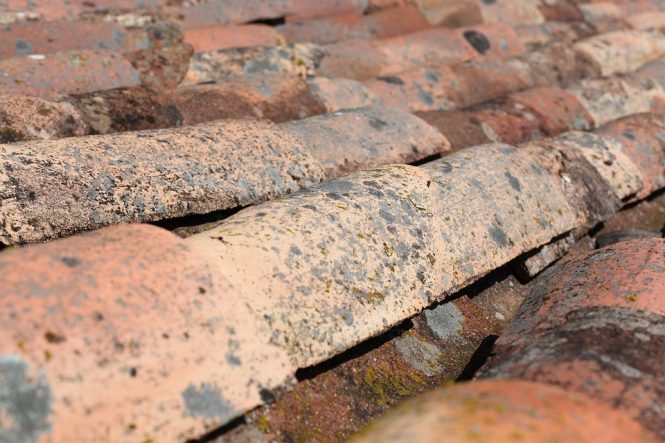
- Clay or concrete tile: A more expensive option, clay or concrete tile can provide a unique, decorative look and excellent durability.
- Slate roofing: A premium option, slate roofing is highly durable and can provide a beautiful, elegant appearance.
Hiring a Professional Contractor
While some minor roof repairs can be handled by a DIY enthusiast, more extensive repairs or replacements typically require the expertise of a professional contractor. When hiring a contractor, consider the following:
- Experience: Look for a contractor with extensive experience in roof repair and replacement.
- Licensing and certification: Ensure your contractor is properly licensed and certified to work in your state.
- Insurance: Verify that your contractor has adequate insurance coverage to protect you and your home.
- References: Ask for references and check online reviews to ensure your contractor has a good reputation.
Roof Repair Process
The roof repair process typically involves the following steps:
- Inspection: A thorough inspection of your roof to identify areas of damage or concern.
- Assessment: A detailed assessment of the damage and recommendation for repairs or replacement.
- Materials selection: Choosing the right materials for the job, including shingles, flashing, and underlayment.
- Repair or replacement: Performing the necessary repairs or replacing your roof entirely.
- Final inspection: A final inspection to ensure all work has been completed to a high standard.
Conclusion
Roof repair is an essential part of maintaining your home and ensuring your safety and comfort. By understanding common roof problems, choosing the right materials, and hiring a professional contractor, you can ensure that your roof remains in good condition for years to come. Whether you’re dealing with minor leaks or major structural issues, this guide has provided you with the knowledge and expertise to tackle any roof repair project with confidence. Remember to always prioritize your safety and the integrity of your home, and don’t hesitate to seek professional help when needed.