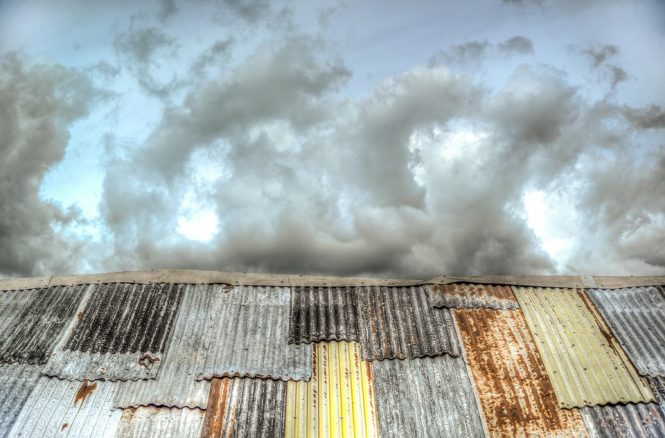
Don’t Let Leaks Drain Your Wallet: Essential Roof Repair Tips
As a homeowner, there’s nothing more frustrating than discovering a leak in your roof. Not only can it cause damage to your belongings and the structure of your home, but it can also lead to costly repairs if left unaddressed. In fact, according to the National Association of Home Builders, a leaky roof can end up costing homeowners thousands of dollars in repair and replacement costs. In this article, we’ll provide you with essential roof repair tips to help you identify and fix leaks before they drain your wallet.
Why Roof Leaks are a Big Deal
Roof leaks can occur due to a variety of reasons, including:
- Damaged or missing shingles
- Cracked or broken tiles
- Loose or corroded flashing
- Clogged gutters and downspouts
- Aging roof materials
If left unrepaired, roof leaks can lead to:
- Water damage to ceilings, walls, and floors
- Mold and mildew growth
- Structural damage to your home’s foundation
- Increased energy bills due to heat loss
- Reduced property value
Essential Roof Repair Tips
To avoid the costly consequences of a leaky roof, follow these essential roof repair tips:
- Inspect Your Roof Regularly: Regular inspections can help you identify potential problems before they become major issues. Look for damaged, missing, or loose shingles, and check for signs of wear around chimneys, vents, and skylights.
- Fix Leaks Promptly: If you notice a leak, don’t delay in fixing it. The longer you wait, the more extensive the damage will be. Use a temporary patch or tarp to cover the affected area until you can make a permanent repair.
- Use High-Quality Materials: When making repairs, use high-quality materials that are designed to withstand the elements. This includes durable shingles, flashing, and sealants.
- Check Your Gutters and Downspouts: Clogged gutters and downspouts can cause water to back up and seep into your roof, leading to leaks. Clean your gutters and downspouts regularly, and consider installing gutter guards to prevent debris from accumulating.
- Consider Professional Help: If you’re not comfortable with heights or DIY repairs, consider hiring a professional roofer to inspect and repair your roof. They can identify potential problems and provide expert guidance on the best course of action.
- Maintain Your Roof’s Age: If your roof is nearing the end of its lifespan, consider replacing it to avoid costly repairs down the line. The average lifespan of a roof is 20-30 years, depending on the type of material used.
- Check for Hidden Leaks: Sometimes, leaks can be hidden from view, making them difficult to detect. Check for signs of water damage, such as stains, discoloration, or warping, and use a moisture meter to detect hidden leaks.
DIY Roof Repair Tips
If you’re comfortable with DIY repairs, here are some tips to get you started:
- Use a ladder safely and securely to access your roof
- Wear protective gear, including gloves, safety glasses, and a harness
- Use a roofing cement to seal cracks and gaps
- Apply a coat of sealant to shingles and flashing to protect against the elements
- Consider using a roof repair kit, which typically includes a patching compound, sealant, and roofing cement
Conclusion
Don’t let leaks drain your wallet. By following these essential roof repair tips, you can identify and fix leaks before they cause extensive damage to your home. Remember to inspect your roof regularly, fix leaks promptly, and use high-quality materials to ensure a long-lasting and watertight seal. If you’re not comfortable with DIY repairs, consider hiring a professional roofer to inspect and repair your roof. With the right knowledge and skills, you can protect your home and your wallet from the costly consequences of a leaky roof.