Flooring Face-Off: Hardwood vs. Laminate vs. Tile – Which Reigns Supreme?
When it comes to choosing the perfect flooring for your home, the options can be overwhelming. Three of the most popular contenders are hardwood, laminate, and tile, each with its own unique advantages and disadvantages. In this article, we’ll delve into the world of flooring and pit these three heavyweights against each other to determine which one reigns supreme.
Hardwood: The Luxury Option
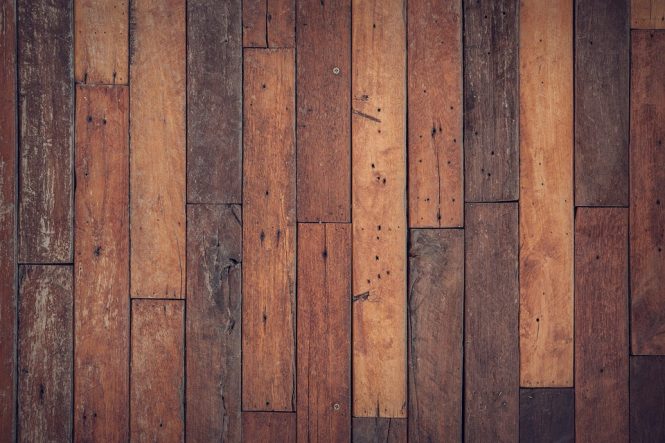
Hardwood flooring is often considered the gold standard of flooring options. Its natural beauty, durability, and timeless appeal make it a sought-after choice for many homeowners. With a wide range of species to choose from, such as oak, maple, and cherry, hardwood flooring can add a touch of elegance and sophistication to any room.
However, hardwood flooring comes with a hefty price tag. The cost of installation, maintenance, and repair can be significant, making it a less accessible option for budget-conscious homeowners. Additionally, hardwood flooring can be sensitive to moisture, scratches, and dents, requiring regular maintenance to keep it looking its best.
Laminate: The Budget-Friendly Alternative
Laminate flooring, on the other hand, is a more affordable option that mimics the look and feel of hardwood without the hefty price tag. Made from composite materials, laminate flooring is durable, easy to install, and resistant to scratches and moisture. Its affordability and versatility make it a popular choice for many homeowners.
However, laminate flooring often lacks the authenticity and warmth of hardwood flooring. Its synthetic materials can appear cheap and lackluster, and it may not be as durable as hardwood or tile. Additionally, laminate flooring can be prone to fading and discoloration over time, requiring regular replacement.
Tile: The Practical Choice
Tile flooring is a practical and versatile option that offers a wide range of benefits. Its durability, ease of maintenance, and resistance to moisture and scratches make it an ideal choice for high-traffic areas and households with pets or children. With a vast array of materials, colors, and styles to choose from, tile flooring can add a touch of personality and flair to any room.
However, tile flooring can be cold and unforgiving, making it less comfortable to walk on than hardwood or laminate. Its hardness can also make it prone to cracking and chipping, requiring occasional repair and replacement.
The Face-Off: Which Reigns Supreme?
So, which flooring option reigns supreme? The answer ultimately depends on your individual needs, preferences, and budget. Here’s a summary of the key advantages and disadvantages of each option:
- Hardwood:
- Advantages: natural beauty, durability, timeless appeal
- Disadvantages: expensive, sensitive to moisture and scratches
- Laminate:
- Advantages: affordable, easy to install, resistant to scratches and moisture
- Disadvantages: lacks authenticity, prone to fading and discoloration
- Tile:
- Advantages: durable, easy to maintain, resistant to moisture and scratches
- Disadvantages: cold and unforgiving, prone to cracking and chipping
The Verdict
While each flooring option has its unique strengths and weaknesses, hardwood flooring ultimately reigns supreme for its natural beauty, durability, and timeless appeal. However, its high cost and maintenance requirements make it less accessible to many homeowners.
For those on a budget, laminate flooring is a suitable alternative that offers a similar look and feel to hardwood without the hefty price tag. However, its lack of authenticity and potential for fading and discoloration over time may detract from its overall value.
Tile flooring, on the other hand, is a practical and versatile option that offers a wide range of benefits, including durability, ease of maintenance, and resistance to moisture and scratches. While it may not be as comfortable to walk on as hardwood or laminate, its numerous advantages make it a worthy contender in the flooring face-off.
Ultimately, the choice of flooring depends on your individual needs, preferences, and budget. By weighing the pros and cons of each option, you can make an informed decision that will leave you with a floor that is both beautiful and functional for years to come.